
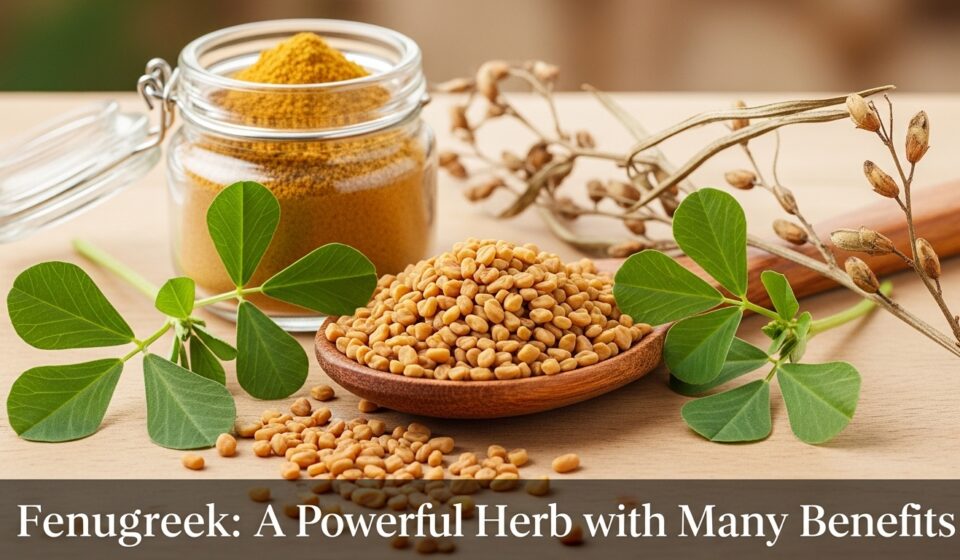
Fenugreek is a versatile herb that has been used for thousands of years in cooking and traditional medicine. Known for its aromatic seeds and leaves, fenugreek is widely used in Asia, the Middle East, North Africa, and many other regions around the world.
The plant has a unique flavor that is slightly bitter, nutty, and sometimes sweet. Many people compare its scent to maple syrup. Because of its distinctive taste and potential health benefits, fenugreek has become a popular ingredient in both food and dietary supplements.
What Is Fenugreek?
Fenugreek comes from the plant Trigonella foenum-graecum. It is an annual herb that belongs to the legume family. Both the seeds and the leaves of the plant can be used.
The small golden-brown seeds are the most commonly used part. They can be eaten whole, ground into powder, brewed into tea, or made into supplements. The leaves are also edible and are often used fresh or dried in cooking.
Fenugreek is commonly found in:
- Curry powders
- Herbal teas
- Spice blends
- Bread
- Soups
- Capsules and supplements
Its rich flavor makes it a key ingredient in many traditional dishes.
Nutritional Value of Fenugreek
Fenugreek contains a wide range of nutrients that can support overall health. The seeds are especially rich in fiber, protein, vitamins, and minerals.
Important nutrients found in fenugreek include:
- Dietary fiber
- Protein
- Iron
- Magnesium
- Manganese
- Vitamin B6
Fenugreek also contains antioxidants and plant compounds that may help protect the body from damage caused by free radicals.
Because it is high in fiber, fenugreek may help support digestion and create a feeling of fullness after meals.
Potential Health Benefits of Fenugreek
Fenugreek has been used in traditional medicine for centuries. While research is still ongoing, several studies suggest that it may offer a variety of health benefits.
May Support Healthy Digestion
Fenugreek is rich in soluble fiber, which can help improve digestion and support regular bowel movements. Some people use fenu greek to reduce bloating and mild digestive discomfort.
The fiber absorbs water in the digestive system, helping to keep the intestines working properly.
May Help Manage Blood Sugar Levels
One of the most widely studied benefits of fenu greek is its potential effect on blood sugar. Some research suggests that fenu greek may slow down the absorption of carbohydrates and sugar in the body.
This may help people maintain more stable blood sugar levels. Because of this, fenugreek is sometimes used as part of a healthy lifestyle for people who are monitoring their glucose levels.
However, anyone with diabetes or other medical conditions should speak with a healthcare professional before using fenugreek supplements.
May Support Healthy Cholesterol Levels
Fenugreek may also have a positive effect on cholesterol. The fiber in the seeds may help reduce levels of LDL, often called “bad” cholesterol.
Maintaining healthy cholesterol levels is important for heart health, and fenu greek is sometimes included in diets focused on cardiovascular wellness.
Traditionally Used to Support Breastfeeding
Fenu greek has long been used by nursing mothers in some cultures. It is believed to help increase breast milk production.
As a result, fenu greek is commonly found in herbal teas and supplements designed for breastfeeding women. Even so, it is important to consult a doctor before using fenu greek during pregnancy or breastfeeding.
Fenugreek in Cooking
Fenugreek is widely used in many cuisines, especially Indian, Middle Eastern, and North African dishes.
Using Fenugreek Seeds
Fenugreek seeds can be used whole or ground into powder. They are often lightly roasted before being added to food because roasting helps reduce bitterness and brings out a richer flavor.
Fenu greek seeds are commonly used in:
- Curries
- Lentil dishes
- Rice dishes
- Stews
- Pickles
- Spice mixes
One of the best-known examples is curry powder, where fenu greek is often one of the main ingredients.
Fenugreek Powder
Ground fenu greek has a stronger and more concentrated flavor than the whole seeds. A small amount can add depth and warmth to recipes.
Fenugreek powder is often added to:
- Sauces
- Marinades
- Soups
- Spice pastes
- Tea
Fresh Fenugreek Leaves
Fresh fenugreek leaves, often called “methi,” are commonly used in Indian cuisine. They have a milder flavor than the seeds and can be cooked like a leafy green vegetable.
Fenugreek leaves are often added to:
- Vegetable dishes
- Flatbreads
- Salads
- Soups
What Does Fenugreek Taste Like?
Fenugreek has a very unique flavor. It is slightly bitter, earthy, nutty, and a little sweet. Many people notice that it has a smell similar to maple syrup.
Because the flavor is strong, it is best to start with a small amount when adding it to recipes. Too much fenugreek can make a dish taste overly bitter.
When roasted, the seeds become milder and more aromatic.
Fenugreek as a Supplement
Fenugreek is also available as a supplement. It can be purchased as:
- Capsules
- Tablets
- Powder
- Herbal tea
- Liquid extract
People often take fenugreek supplements for:
- Digestive support
- Blood sugar management
- Cholesterol support
- General wellness
It is important to follow the recommended dosage on the product label and avoid taking excessive amounts.
Possible Side Effects of Fenugreek
Although fenugreek is generally considered safe for most people, some individuals may experience side effects.
Possible side effects include:
- Upset stomach
- Diarrhea
- Nausea
- Allergic reactions
Large amounts of fenugreek may also lower blood sugar too much, especially in people who already take diabetes medication.
Fenugreek can sometimes change the smell of sweat or urine, giving it a maple syrup-like odor.
People who are pregnant, breastfeeding, or taking medication should speak with a healthcare professional before using fenugreek regularly.
Where to Buy Fenugreek
Fenu greek is widely available and can be found in many places, including:
- Supermarkets
- Health food stores
- Spice shops
- International grocery stores
- Online retailers
You can usually buy fenu greek as seeds, powder, dried leaves, tea, or supplements.
When purchasing fenu greek, it is a good idea to choose a trusted brand and to check the product’s freshness.
Tips for Using Fenugreek
If you have never used fenu greek before, there are many simple ways to try it.
- Add a small amount of fenu greek powder to a curry
- Roast the seeds before cooking
- Brew fenugreek tea
- Mix it into homemade spice blends
- Add fresh leaves to soups or vegetables
Starting with small amounts allows you to enjoy the flavor without overpowering the dish.
Conclusion
Fenugreek is a powerful and versatile herb with a long history of use in both food and traditional medicine. Its seeds and leaves are rich in nutrients and may provide several health benefits, including support for digestion, blood sugar, and heart health.
At the same time, fenugreek adds a unique and aromatic flavor to a wide variety of dishes. Whether you use it in cooking, tea, or supplements, fenu greek is an interesting ingredient that continues to be valued around the world.