
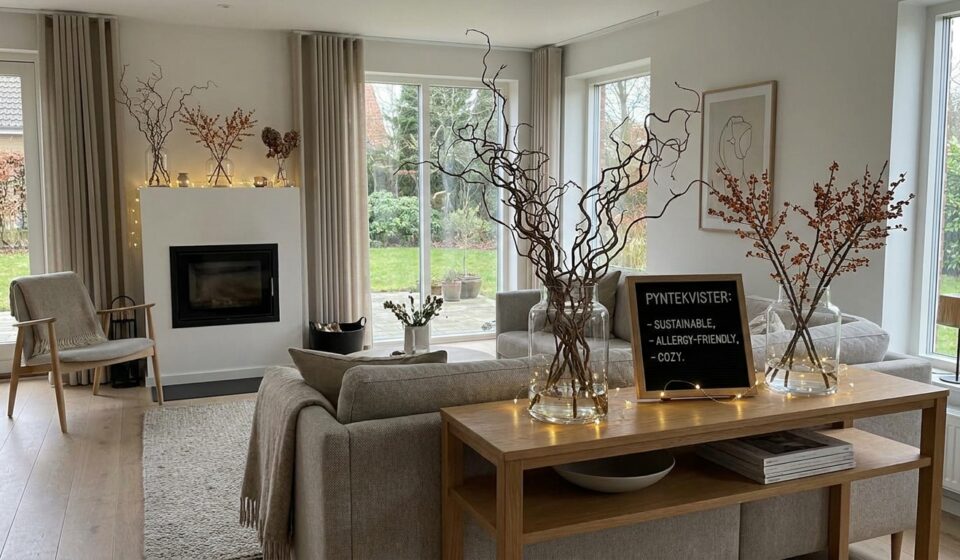
Pyntekvister explained: decorative branches, styling ideas, benefits, and modern interior trends

“Pyntekvister” is a Scandinavian term commonly used to describe decorative branches or ornamental twigs used in interior styling and home decoration. These natural or artificial branches have become increasingly popular in modern homes due to their minimalist appearance, versatility, and ability to bring nature indoors.
In contemporary interior design, simplicity and natural textures play an important role. Pyntekvister fit perfectly within this trend by adding elegance, warmth, and visual balance without overwhelming a space. Whether displayed in a vase, integrated into seasonal décor, or used for event styling, decorative branches offer a timeless and sustainable design element.
What are Pyntekvister?
Pyntekvister are decorative branches selected or designed specifically for aesthetic purposes. They can be:
- Natural dried branches
- Artificial decorative twigs
- Painted or treated wood stems
- Flowering branches used for seasonal décor
They are often arranged in vases or combined with flowers, lights, or ornaments to enhance interior spaces.
Growing popularity of Pyntekvister
The popularity of Pyntekvister has grown significantly in recent years due to several interior design trends.
Minimalist design movement
Minimalism focuses on clean lines, simplicity, and intentional décor. Decorative branches align with this philosophy because they create visual interest without clutter.
Scandinavian interior style
Scandinavian design emphasizes:
- Natural materials
- Neutral colors
- Functional beauty
- Simplicity
Pyntekvister are a natural extension of this design tradition.
Sustainable decorating
Many homeowners are moving toward reusable and eco-friendly décor. Natural branches are durable, biodegradable, and often locally sourced.
Types of Pyntekvister
There are many different styles and materials available.
Natural dried branches
These are real branches that have been cleaned and dried for decorative use. Popular options include:
- Birch branches
- Willow branches
- Cherry blossom branches
- Eucalyptus stems
They create an organic and authentic look.
Artificial decorative branches
Artificial Pyntekvister are made from materials such as plastic, silk, or treated fabric. They require minimal maintenance and are ideal for long-term use.
Painted and treated branches
Some decorative branches are painted in metallic, white, black, or pastel finishes to suit modern interiors.
Benefits of using Pyntekvister
Decorative branches offer several advantages in home and event design.
Adds natural texture
Branches introduce organic shapes and textures that soften modern spaces.
Low maintenance
Unlike fresh flowers, dried or artificial branches require little to no maintenance.
Long-lasting décor
High-quality Pyntekvister can last for years, making them cost-effective.
Versatile styling
They work well in:
- Living rooms
- Offices
- Bedrooms
- Restaurants
- Event spaces
How to style Pyntekvister
Decorative branches can be used in many creative ways.
Vase arrangements
One of the most common uses is placing branches in tall vases to create elegant centerpieces.
Seasonal decoration
Branches can be adapted throughout the year:
- Spring: blossom branches
- Autumn: colorful leaves
- Winter: branches with lights or ornaments
Wall décor
Some people use decorative branches as artistic wall installations.
Table styling
Smaller branches can enhance dining tables, coffee tables, or shelves.
Choosing the right Pyntekvister
Selecting the right decorative branches depends on several factors.
Consider room size
Tall branches suit large spaces, while smaller arrangements work better in compact rooms.
Match interior colors
Neutral branches fit minimalist interiors, while painted versions can create contrast.
Think about maintenance
Natural branches may require occasional cleaning, while artificial versions are easier to maintain.
Pyntekvister in commercial spaces
Businesses also use decorative branches to create inviting environments.
Hotels and restaurants
Elegant branch arrangements add sophistication and warmth.
Retail stores
Decorative branches help create visually appealing displays.
Office interiors
Natural-inspired décor can improve atmosphere and productivity.
DIY Pyntekvister ideas
Many people create their own decorative branches at home.
Collecting natural branches
Branches from gardens or forests can be cleaned and dried for indoor use.
Painting techniques
Spray paint can transform ordinary branches into modern décor pieces.
Adding lights
LED string lights wrapped around branches create cozy ambient lighting.
Maintenance and care
Proper care helps maintain the appearance of Pyntekvister.
- Dust regularly with a soft cloth
- Keep natural branches away from moisture
- Store seasonal decorations carefully
- Avoid direct sunlight for artificial branches to prevent fading
Modern trends in decorative branches
Interior design trends continue to evolve, and Pyntekvister remain highly relevant.
Biophilic design
This trend focuses on incorporating natural elements into indoor spaces to improve well-being.
Sustainable interiors
Reusable and eco-friendly décor is becoming increasingly important.
Minimal luxury
Modern luxury often emphasizes simplicity and quality over excessive decoration, making decorative branches a popular choice.
Why Pyntekvister remain timeless
Unlike short-lived décor trends, decorative branches have enduring appeal because they:
- Connect interiors with nature
- Adapt to different styles
- Work in all seasons
- Offer both simplicity and elegance
Their flexibility makes them suitable for traditional, modern, rustic, and minimalist spaces alike.
Conclusion
Pyntekvister are more than simple decorative branches—they represent a timeless approach to interior styling that combines nature, elegance, and versatility. Whether used in homes, offices, or commercial spaces, they provide a sophisticated way to enhance atmosphere and visual appeal.
As modern design continues to prioritize sustainability and minimalism, Pyntekvister are likely to remain a popular decorative choice for years to come. Their ability to blend functionality with natural beauty makes them an essential element in contemporary interior design.
Frequently Asked Questions (FAQs) about Pyntekvister
1. What does “Pyntekvister” mean?
Pyntekvister is a Scandinavian term that refers to decorative branches or ornamental twigs used in interior decoration. These branches can be natural, dried, artificial, or painted and are commonly displayed in vases or decorative arrangements to enhance home and commercial spaces.
2. Are Pyntekvister made from real branches?
Yes, many Pyntekvister are made from real dried branches such as birch, willow, eucalyptus, or cherry blossom stems. However, artificial versions made from plastic, silk, or fabric are also widely available for long-lasting and low-maintenance decoration.
3. How do you decorate with Pyntekvister?
Pyntekvister can be styled in tall floor vases, tabletop arrangements, wall displays, or seasonal decorations. Many people also add fairy lights, ornaments, or flowers to create a more personalized and decorative look.
4. How do you maintain decorative branches?
To maintain Pyntekvister, dust them regularly with a soft cloth or brush. Natural branches should be kept away from moisture to prevent damage, while artificial branches should be stored properly to avoid bending or fading from direct sunlight.
5. Why are Pyntekvister popular in modern interior design?
Pyntekvister are popular because they fit perfectly with modern minimalist and Scandinavian design trends. They add natural texture, elegance, and warmth to interiors while remaining versatile, sustainable, and easy to maintain.
Disclaimer: Information on this site is for general guidance only. While we aim for accuracy, details may change—please verify important information before relying on it.