
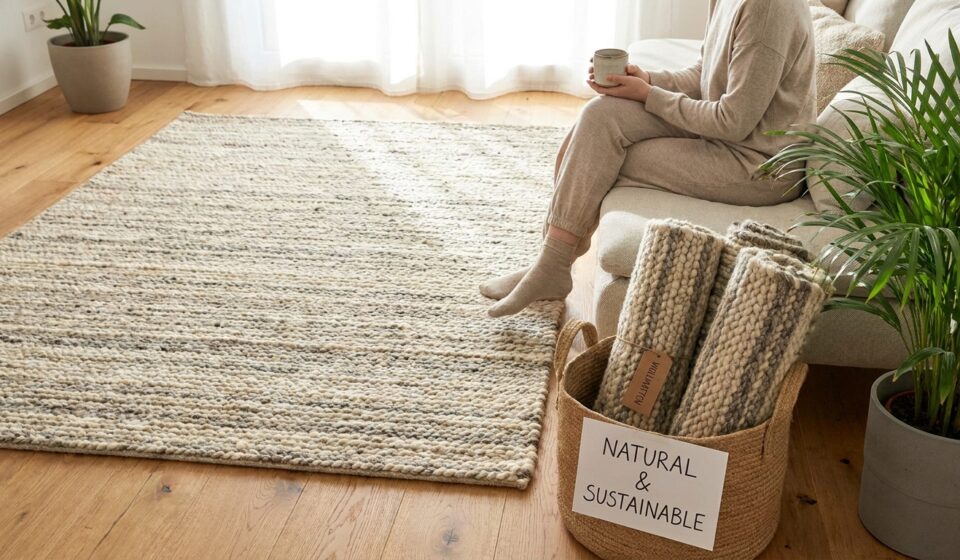
Wollmatten: A Natural and Sustainable Choice for Modern Living

Table of Contents
ToggleWollmatten, commonly known as wool mats, are becoming increasingly popular in homes, offices, wellness spaces, and eco-friendly interiors around the world. Made primarily from natural wool fibers, these mats combine comfort, durability, insulation, and sustainability in a way that synthetic alternatives often cannot match. Their soft texture, natural appearance, and long-lasting quality make them an excellent choice for people who value both practicality and environmentally responsible living.
Over the years, interior design trends have shifted toward natural materials and healthier indoor environments. Consumers are now more conscious of the products they bring into their homes, and wool mats have gained recognition for their eco-friendly properties and timeless appeal. Whether used as decorative floor coverings, yoga mats, insulation layers, or comfortable seating pads, wollmatten provide warmth and elegance while supporting sustainable lifestyles.
This article explores the history, manufacturing process, benefits, applications, maintenance, and future of wollmatten in detail, helping readers understand why wool mats continue to be valued across different cultures and industries.
Understanding Wollmatten
The term “Wollmatten” originates from the German language, where “Wolle” means wool and “Matten” means mats. These products are created from wool fibers that are either woven, felted, or compressed into durable surfaces suitable for a wide range of uses. Wool itself has been used for centuries because of its remarkable insulating and protective qualities, and modern wool mats continue this long tradition while adapting to contemporary needs and styles.
Wool mats differ greatly in design, texture, and thickness depending on their purpose. Some are made for decorative use inside homes, while others are intended for yoga, industrial insulation, or soundproofing. Their versatility is one of the main reasons for their growing popularity.
Unlike synthetic mats produced from petroleum-based materials, wollmatten are derived from renewable natural resources. This makes them particularly attractive to environmentally conscious consumers looking for biodegradable and sustainable alternatives.
The Historical Importance of Wool Mats
Wool has played a significant role in human civilization for thousands of years. Ancient communities discovered that sheep wool could be transformed into warm and durable textiles capable of protecting people from harsh climates. Over time, wool became one of the most valuable natural materials in many parts of the world.
In Central Asia, nomadic tribes developed felted wool mats for use inside tents and shelters. These mats provided insulation from cold ground surfaces and helped maintain comfortable living conditions during extreme weather. Felt-making techniques spread across different regions and eventually became an important craft in Europe and the Middle East.
During the Middle Ages, wool production expanded rapidly throughout Europe. Skilled artisans created rugs, carpets, and mats that were admired for their craftsmanship and beauty. In German-speaking regions especially, wool processing traditions became deeply rooted in local culture, contributing to the continued popularity of products such as wollmatten.
Today, modern technology has improved manufacturing methods while preserving many traditional techniques. Contemporary wool mats combine centuries of craftsmanship with innovative production processes that enhance durability, comfort, and design flexibility.
How Wollmatten Are Manufactured
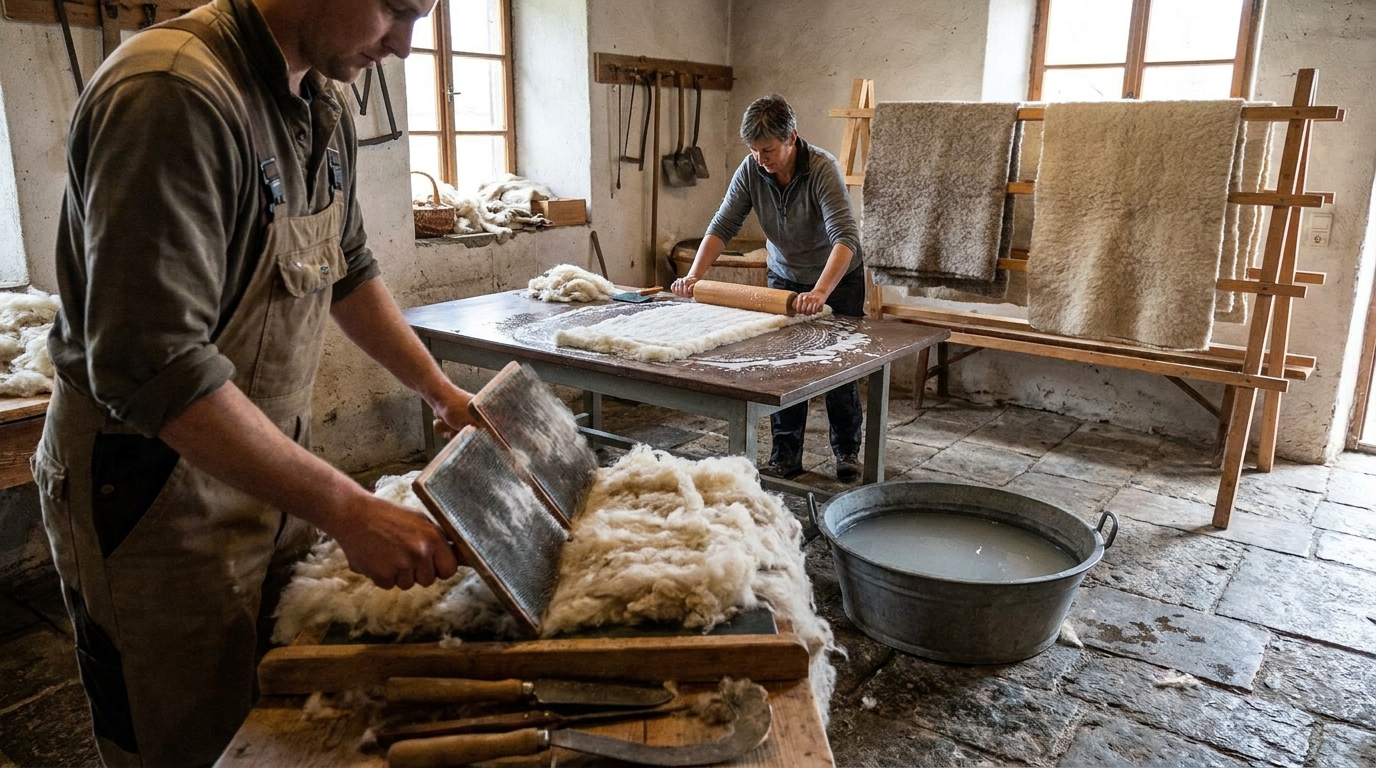
The creation of wool mats begins with the harvesting of sheep wool. Since sheep naturally regrow their fleece every year, wool is considered a renewable resource that can be collected sustainably without harming the animals.
After shearing, the wool undergoes a thorough cleaning process to remove dirt, oils, and natural impurities. This step is essential because raw wool often contains lanolin and environmental debris that must be removed before manufacturing can begin.
Once cleaned, the fibers are carefully aligned through a process known as carding. This helps create a smooth and consistent texture that prepares the wool for weaving or felting. Depending on the type of mat being produced, the wool may then be woven into structured fabrics or compressed using heat, moisture, and pressure to create dense felted surfaces.
Manufacturers often apply additional finishing treatments to improve the mat’s stability, appearance, or functionality. Some wool mats include anti-slip backing materials, while others feature decorative patterns or natural dyes. The final product is both durable and visually appealing, capable of lasting for many years when properly maintained.
Why Wollmatten Are Becoming More Popular
The growing interest in sustainable living has significantly increased demand for natural fiber products. Consumers are increasingly moving away from synthetic materials and seeking healthier, eco-friendly alternatives for their homes and workplaces.
Wool mats fit perfectly into this trend because they offer both environmental and practical advantages. Their natural texture creates a warm and inviting atmosphere, while their excellent insulation properties improve indoor comfort throughout the year. Many homeowners also appreciate the sophisticated and timeless appearance of wool products, which blend well with modern, rustic, Scandinavian, and minimalist interior styles.
Another reason for their popularity is the increasing awareness of indoor air quality. Synthetic flooring materials can sometimes release volatile organic compounds and other chemicals into indoor spaces. Wool mats, especially those made from untreated natural fibers, provide a safer and healthier alternative for families and environmentally conscious consumers.
Natural Insulation and Temperature Regulation
One of the most impressive qualities of wollmatten is their natural ability to regulate temperature. Wool fibers trap tiny pockets of air, creating effective insulation against both heat and cold. This property helps maintain comfortable indoor temperatures during different seasons.
In colder months, wool mats provide warmth by preventing heat loss through floors. Walking on a wool mat during winter feels noticeably more comfortable than walking on bare tile or hardwood surfaces. During warmer seasons, wool also helps regulate humidity and maintain a cooler indoor environment.
Because of these insulating properties, wool mats can contribute to energy efficiency by reducing the need for excessive heating or cooling. This makes them not only comfortable but also environmentally beneficial over the long term.
Comfort and Softness
Comfort is another major reason why many people choose wool mats over synthetic alternatives. Wool fibers provide natural cushioning that feels soft underfoot without becoming excessively compressed. This balance between softness and resilience creates a pleasant walking or sitting experience.
Wool mats are frequently used in bedrooms, living rooms, meditation areas, and nurseries because of their comfortable texture. They create a cozy atmosphere that encourages relaxation and adds warmth to interior spaces.
Unlike some synthetic materials that can feel artificial or rough, natural wool offers a unique tactile quality that many people find luxurious and calming.
Durability and Longevity
Wool is naturally resilient, which means wool mats can maintain their appearance and structure for many years. The fibers have a natural elasticity that allows them to recover from pressure and foot traffic more effectively than many synthetic materials.
High-quality wollmatten are often considered long-term investments because they resist wear and maintain their shape over time. Even in busy households or commercial environments, properly maintained wool mats can remain attractive and functional for decades.
This durability also contributes to sustainability by reducing the need for frequent replacements. Consumers who purchase quality wool products often find that they save money in the long run despite the higher initial cost.
Environmental Benefits of Wollmatten
Sustainability is one of the strongest advantages of wool mats. Wool is biodegradable, renewable, and naturally sourced, making it a significantly more eco-friendly option than synthetic alternatives.
When synthetic mats eventually wear out, they often end up in landfills where they may take hundreds of years to decompose. In contrast, wool naturally breaks down over time without releasing harmful microplastics into the environment.
Many wool producers are also adopting ethical farming practices and environmentally responsible manufacturing processes. Some companies use natural dyes, renewable energy, and low-impact production techniques to minimize their ecological footprint.
As global concerns about pollution and waste continue to grow, products like wollmatten are becoming increasingly important in sustainable design and responsible consumerism.
Wollmatten in Interior Design
Wool mats are widely appreciated for their aesthetic versatility. Their natural appearance adds warmth, texture, and elegance to interior spaces while complementing a wide range of design styles.
In modern interiors, neutral-colored wool mats create a clean and sophisticated atmosphere. In rustic or traditional settings, they enhance the sense of comfort and authenticity. Scandinavian design in particular frequently incorporates wool textiles because of their simplicity and connection to nature.
Designers often use wool mats to soften hard flooring surfaces, improve acoustics, and create visually balanced spaces. Their subtle texture and organic appearance help interiors feel more welcoming and comfortable.
Acoustic and Soundproofing Qualities
Wool fibers are excellent at absorbing sound, making wollmatten highly effective for reducing noise levels indoors. In homes and offices, wool mats can help minimize echoes and soften footstep sounds, creating quieter and more peaceful environments.
This acoustic benefit is particularly valuable in apartments, open-plan offices, libraries, recording studios, and hospitality spaces where sound control is important. Wool mats contribute to a more comfortable atmosphere by reducing unwanted noise and improving overall acoustic quality.
Health and Indoor Air Quality
Many people are becoming more aware of the impact that interior materials can have on health and air quality. Wool mats provide several advantages in this area because they naturally regulate moisture and help maintain balanced humidity levels.
Wool can absorb moisture from the air without feeling damp, helping prevent excessive humidity and reducing the likelihood of mold growth. Additionally, wool fibers can trap dust particles until they are removed through vacuuming, contributing to cleaner indoor air.
Natural wool mats are also less likely to contain harmful chemicals commonly found in some synthetic flooring materials. This makes them a safer choice for homes with children, pets, or individuals sensitive to artificial substances.
Uses of Wollmatten in Different Environments
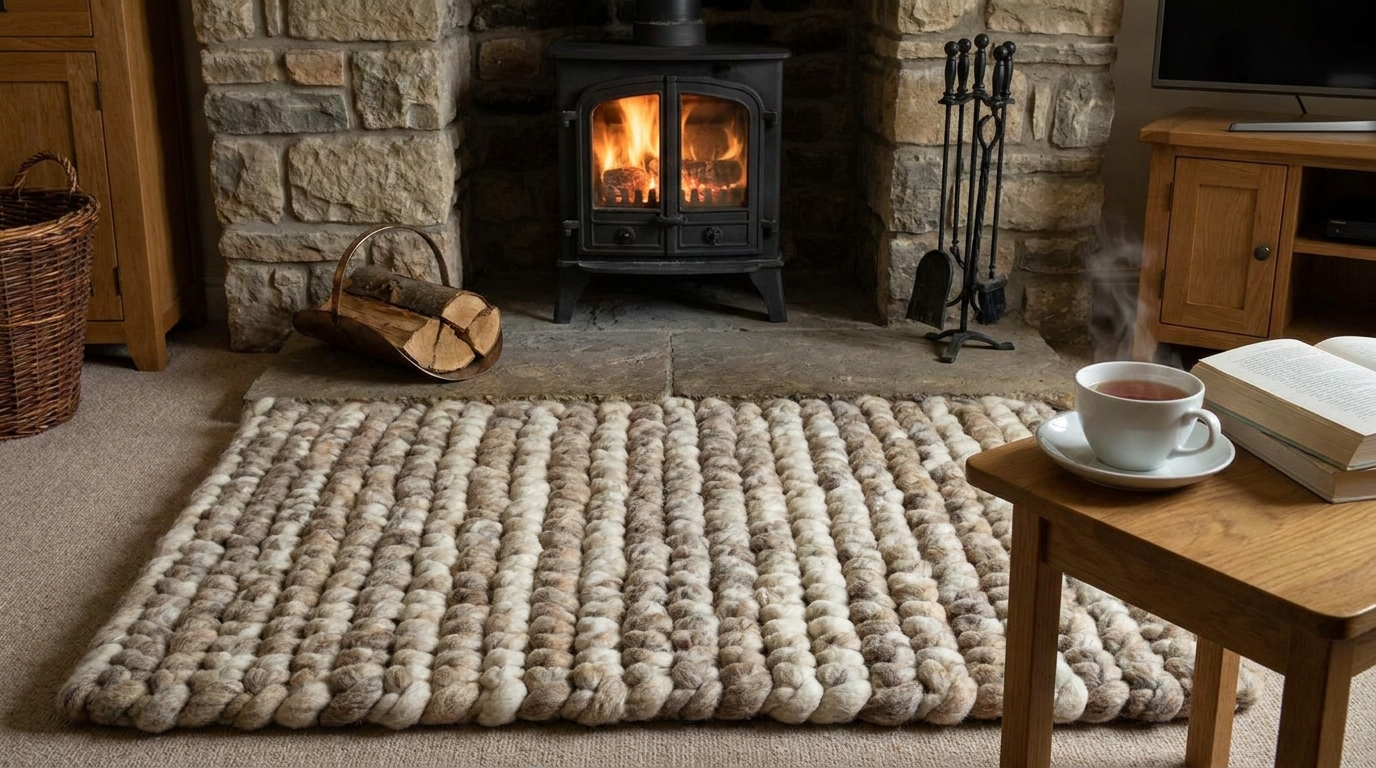
Wool mats are highly versatile and can be found in many different settings. In residential spaces, they are commonly used in bedrooms, living rooms, hallways, and nurseries. Their comfort and warmth make them ideal for creating cozy environments.
In wellness and meditation spaces, wool mats are valued for their softness and grounding qualities. Many yoga practitioners prefer wool mats because they provide natural insulation from cold floors while remaining breathable and comfortable during exercise.
Commercial spaces also benefit from wool mats. Hotels, offices, and luxury retail environments often use them to create elegant interiors and improve comfort for visitors and employees.
Even the automotive industry has embraced wool materials for insulation and interior comfort in premium vehicles.
Maintenance and Care
Although some people believe wool mats are difficult to maintain, they are actually quite practical when cared for properly. Regular vacuuming helps remove dust and dirt while preserving the fibers’ appearance.
Spills should be cleaned promptly using mild soap and water, avoiding harsh chemical cleaners that could damage the wool. Since wool naturally resists dirt and odors, deep cleaning is usually needed less frequently than with synthetic materials.
Allowing wool mats to air dry naturally is important because excessive heat can shrink or damage the fibers. Rotating mats periodically also helps ensure even wear, especially in high-traffic areas.
With proper care, wool mats can remain beautiful and functional for many years.
The Future of Wollmatten
The future of wollmatten looks extremely promising as sustainability and natural living continue to influence global consumer preferences. More people are seeking environmentally responsible products that combine functionality, beauty, and long-term value.
Manufacturers are investing in innovative production methods that improve durability, water resistance, and customization options while maintaining the natural qualities of wool. Consumers can now find wool mats in a wide variety of sizes, colors, textures, and designs tailored to modern interiors.
As awareness of environmental issues and indoor health grows, natural fiber products like wollmatten are expected to become even more important in architecture, interior design, and everyday living.
Conclusion
Wollmatten represent an ideal blend of tradition, sustainability, comfort, and modern design. Their natural wool fibers provide excellent insulation, durability, softness, and acoustic benefits, making them suitable for homes, offices, wellness spaces, and commercial environments alike.
Beyond their practical advantages, wool mats support environmentally conscious lifestyles by offering a renewable and biodegradable alternative to synthetic products. Their timeless appearance and long lifespan make them valuable additions to both traditional and contemporary interiors.
As people continue to prioritize sustainability and healthier living spaces, wollmatten will likely remain an essential choice for consumers seeking comfort, quality, and environmental responsibility in one versatile product.
Disclaimer: Information on this site is for general guidance only. While we aim for accuracy, details may change—please verify important information before relying on it.
Imran Javed
I am Imran Javed, an SEO specialist and blogger with 8+ years of experience. I focus on improving search rankings, organic traffic, and online visibility through proven SEO strategies, keyword research, and quality link building.