
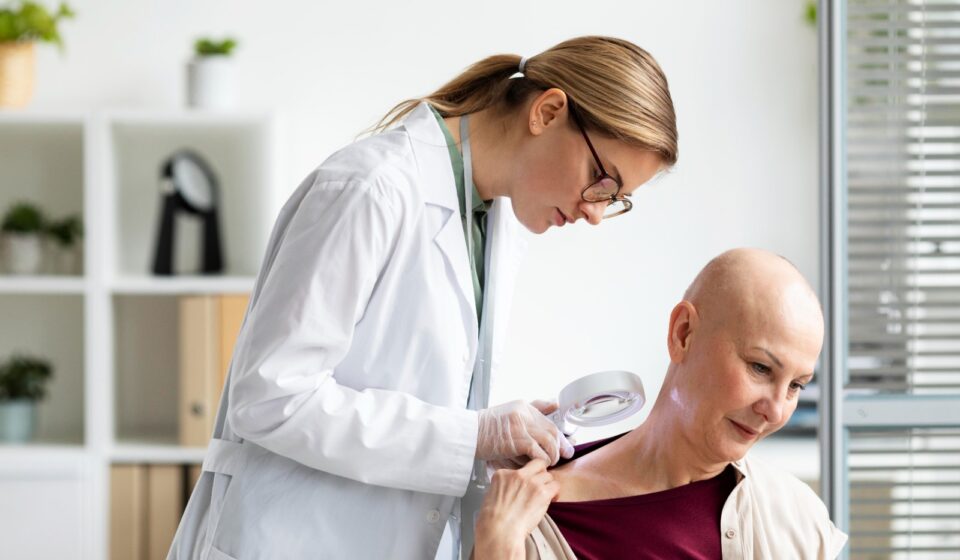
Advancements in medical technology and patient care have transformed the way minor skin procedures are performed inside modern healthcare clinics. Treatments that once required lengthy hospital visits or more invasive techniques are now often completed efficiently in highly specialized outpatient environments. Patients visiting a trusted skin cancer doctor melbourne today frequently encounter streamlined procedures designed to improve accuracy, comfort, recovery, and long-term monitoring.
Modern skin clinics have evolved far beyond simple examination rooms. They now combine advanced imaging technology, minimally invasive techniques, and patient-focused care models that make minor surgical procedures more precise and less intimidating than many people expect.
The Shift Toward Specialized Skin Care Clinics
In the past, many skin-related surgical procedures were handled primarily in hospitals or general medical settings. Today, specialized skin clinics have become increasingly common, offering focused expertise and equipment tailored specifically for dermatological care.
This shift has improved access to preventive assessments and procedural treatments for patients with concerns such as:
- Suspicious moles
- Sun-damaged skin
- Benign skin lesions
- Cysts or growths
- Preventive biopsies
By concentrating resources and training within dedicated clinics, healthcare providers are often able to deliver more efficient and personalized care.
How Technology Has Improved Diagnostic Accuracy
One of the most significant changes inside modern clinics is the use of advanced diagnostic tools before procedures even begin.
Imaging Systems Are Now More Sophisticated
Modern clinics frequently use:
- Dermoscopy devices
- Digital mole mapping
- High-resolution photography
- Comparative lesion tracking systems
These technologies help doctors examine skin structures in greater detail and monitor changes over time.
Why Better Imaging Matters
Improved imaging allows healthcare professionals to:
- Identify subtle abnormalities earlier
- Compare lesions during future appointments
- Reduce unnecessary procedures
- Improve treatment planning accuracy
- Support long-term preventive monitoring
This level of precision has significantly enhanced modern skin care practices.
Minimally Invasive Techniques Have Become More Common
Another major evolution involves the development of less invasive procedural methods. Many treatments that once required larger incisions or extended recovery periods can now be performed with more refined approaches.
Modern Procedures Often Focus on:
Smaller Treatment Areas
Improved precision allows doctors to target affected tissue more accurately while preserving surrounding skin.
Faster Recovery
Less invasive techniques generally support shorter healing times and reduced disruption to daily routines.
Improved Cosmetic Outcomes
Clinics now place greater emphasis on minimizing visible scarring whenever possible.
Enhanced Patient Comfort
Modern anesthetic methods and procedural planning help improve the overall treatment experience.
These advancements have helped reduce anxiety around in-clinic skin procedures for many patients.
The Patient Experience Has Changed Significantly
Modern clinics are increasingly designed around patient comfort and education rather than purely clinical efficiency.
Clear Communication Is Now a Priority
Patients are typically guided through:
- The purpose of the procedure
- Expected recovery timelines
- Possible risks and outcomes
- Aftercare instructions
- Long-term monitoring recommendations
This transparent approach helps individuals feel more informed and involved throughout the process.
Reduced Fear Through Better Education
Many people arrive at appointments worried about discomfort or serious diagnoses. However, modern consultation models often focus on reducing uncertainty through calm, step-by-step explanations.
Patients frequently discover that minor procedures are far less intimidating than they originally imagined.
Preventive Care Is Playing a Larger Role
Another important evolution is the stronger emphasis on prevention rather than reactive treatment alone.
Clinics Are Encouraging Earlier Evaluation
Healthcare professionals increasingly encourage patients to seek assessment for:
- Changing moles
- Persistent skin spots
- Unusual pigmentation
- Non-healing lesions
- Areas affected by long-term sun exposure
This preventive mindset allows doctors to identify concerns earlier and monitor subtle changes more effectively.
Why Prevention Supports Better Outcomes
Early evaluation often leads to:
- Simpler treatment approaches
- Smaller procedures
- Less extensive recovery
- Improved monitoring accuracy
- Reduced long-term complications
As public awareness grows, preventive skin care is becoming a normal part of routine health management.
Recovery and Aftercare Have Improved
Modern procedural care does not stop once treatment is complete. Follow-up support and recovery guidance have become much more structured and patient-focused.
Clinics Now Emphasize Proper Healing
Patients commonly receive instructions related to:
- Wound cleaning
- Dressing changes
- Sun protection during healing
- Monitoring for signs of infection
- Scar management techniques
This level of aftercare helps improve recovery outcomes and patient confidence.
The Role of Digital Record Keeping
Digital healthcare systems have also changed the way clinics manage long-term skin monitoring.
Benefits of Modern Digital Records
Easier Long-Term Tracking
Doctors can compare images and notes from previous appointments more efficiently.
Better Communication Between Providers
Digital systems support more coordinated patient care when referrals or follow-up treatment are needed.
Improved Appointment Planning
Clinicians can review previous procedures and lesion history before future visits.
These systems contribute to more consistent and organized patient management over time.
Why More People Are Seeking Preventive Skin Assessments
Public awareness around UV exposure and skin health has increased considerably in recent years. As a result, more people are becoming proactive about monitoring their skin before major concerns develop.
Growing Awareness Around Skin Health
People are increasingly recognizing the importance of:
- Routine skin examinations
- Professional monitoring
- Early evaluation of changes
- Consistent sun protection
- Long-term preventive care habits
This cultural shift is encouraging earlier intervention and more regular clinic visits.
The Future of Minor Skin Procedures
Modern clinics continue evolving as technology and medical techniques improve further. Artificial intelligence, enhanced imaging systems, and more advanced minimally invasive treatments are already shaping the future of skin care.
At the same time, patient-centered care remains a central focus. Clinics are not only improving procedural accuracy but also making the experience more approachable, educational, and supportive.
A More Advanced and Patient-Focused Era of Skin Care
Minor surgical procedures for skin have changed dramatically inside modern clinics. Today’s treatments are more precise, less invasive, and supported by advanced diagnostic technology that improves both preventive care and patient outcomes.
Equally important, clinics now place greater emphasis on communication, comfort, and long-term monitoring rather than simply performing procedures alone.
As awareness around skin health continues to expand, these advancements are helping more people feel confident about seeking professional evaluation earlier and maintaining proactive habits that support healthier skin over the long term.