
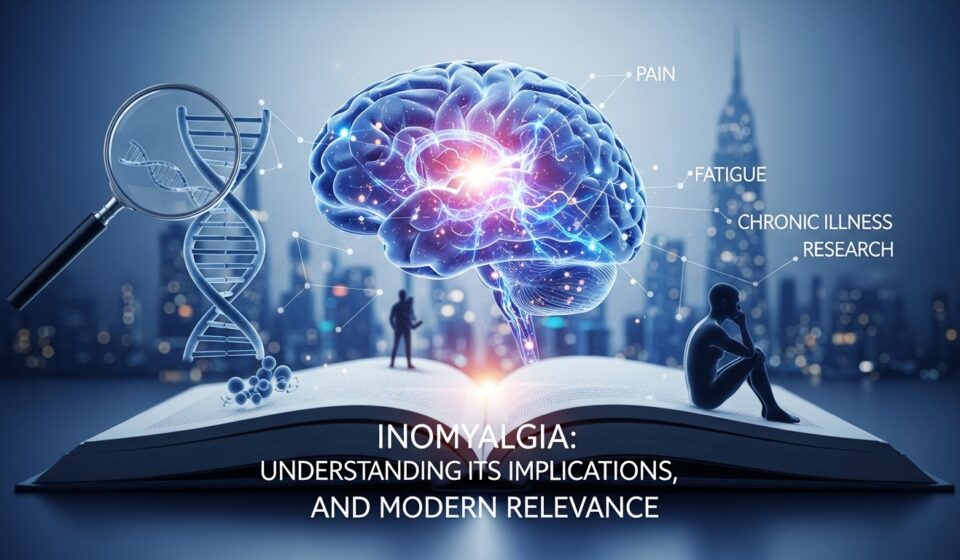
Inomyalgia is a term that draws attention due to its scientific tone and complex structure. While not widely recognized in standard medical terminology, Inomyalgia appears to be constructed from linguistic elements associated with muscle-related discomfort or internal pain. In a broader sense, Inomyalgia can be interpreted as a conceptual or emerging term that represents physical or internalized muscular discomfort, whether literal or metaphorical.
In today’s health-conscious world, new terms often emerge to describe evolving understandings of the human body and mind. Inomyal-gia fits within this trend, offering a unique way to explore discomfort, wellness, and the relationship between physical sensations and overall health.
The Meaning and Linguistic Breakdown of Inomyalgia
The term Inomyalgia can be broken down into components that provide insight into its possible meaning. The suffix “-myalgia” is commonly used in medical language to refer to muscle pain, as seen in conditions like fibromyalgia. The prefix “ino-” may suggest internal, fiber-related, or even abstract interpretations depending on context.
Together, Inomyal-gia can be understood as a form of muscle-related discomfort that may originate internally or be linked to deeper physiological or psychological factors. This interpretation allows for both literal and symbolic applications.
Linguistic Characteristics of Inomyalgia
From a linguistic standpoint, Inomyal-gia has a structured and scientific sound. Its multi-syllabic composition gives it a technical feel, making it suitable for discussions related to health and wellness.
Conceptual Interpretation of Inomyalgia
Conceptually, Inomyal-gia can represent not only physical pain but also stress-related tension or discomfort that manifests in the body. This broader interpretation aligns with modern approaches to holistic health.
Inomyalgia in Health and Wellness Contexts
In health and wellness discussions, Inomyal-gia can be used as a framework to explore different types of muscular discomfort. While it may not be a formally recognized diagnosis, it can serve as a conceptual tool for understanding how various factors contribute to muscle pain.
Factors such as stress, physical strain, and lifestyle habits can all play a role in conditions resembling Inomyal-gia. Recognizing these factors is essential for maintaining overall well-being.
Common Factors Associated with Inomyalgia
The following table outlines potential contributing factors:
| Factor | Description | Impact Level |
|---|---|---|
| Physical Strain | Overuse or injury of muscles | High |
| Stress | Emotional tension affecting the body | High |
| Poor Posture | Misalignment leading to muscle discomfort | Medium |
| Lack of Exercise | Weak muscles contributing to pain | Medium |
| Sleep Issues | Insufficient recovery time | High |
These factors highlight the complexity of conditions that could be associated with Inomyal-gia.
Inomyalgia and Modern Lifestyle
Modern lifestyles often contribute to physical discomfort, making concepts like Inomyal-gia increasingly relevant. Long hours of sitting, screen use, and reduced physical activity can lead to muscle tension and pain.
The fast-paced nature of contemporary life also contributes to stress, which can manifest physically. Inomyal-gia can be seen as a representation of how lifestyle choices impact physical health.
Impact of Technology on Inomyalgia
Technology has transformed daily life, but it has also introduced challenges such as prolonged sitting and repetitive movements. These factors can contribute to muscle discomfort.
Work-Life Balance and Inomyalgia
Maintaining a balance between work and personal life is essential for reducing stress and preventing physical strain. Addressing these aspects can help manage symptoms associated with Inomyal-gia.
Preventive Approaches to Inomyalgia
Preventing conditions like Inomyal-gia involves adopting healthy habits and making lifestyle adjustments. Regular exercise, proper posture, and stress management are key components of prevention.
Awareness plays an important role in identifying early signs of discomfort and addressing them before they become more severe.
Role of Physical Activity
Physical activity helps strengthen muscles and improve flexibility, reducing the risk of discomfort.
Importance of Mental Well-Being
Mental health is closely linked to physical health. Managing stress and maintaining emotional balance can help prevent muscle-related issues.
Inomyalgia in Holistic Health Perspectives
Holistic health approaches emphasize the connection between mind and body. Inomyalgia fits within this framework by highlighting how physical and emotional factors interact.
Practices such as yoga, meditation, and mindfulness can help address both physical and psychological aspects of discomfort.
Mind-Body Connection in Inomyalgia
The mind-body connection plays a crucial role in understanding conditions like Inomyalgia. Emotional stress can manifest as physical pain, making it important to address both aspects.
Alternative Therapies for Inomyalgia
Alternative therapies such as massage, acupuncture, and relaxation techniques may help alleviate symptoms associated with muscle discomfort.
Comparative Analysis of Inomyalgia and Similar Concepts
To better understand Inomyalgia, it is useful to compare it with related concepts:
| Condition/Concept | Description | Similarity to Inomyalgia |
|---|---|---|
| Myalgia | General muscle pain | High |
| Fibromyalgia | Chronic widespread pain | Moderate |
| Muscle Tension | Stress-related tightness | High |
| Psychosomatic Pain | Pain influenced by psychological factors | Moderate |
This comparison highlights how Inomyalgia can be positioned within a broader context of muscle-related discomfort.
Challenges in Defining Inomyalgia
One of the main challenges associated with Inomyalgia is its lack of formal recognition in medical literature. This makes it difficult to establish clear diagnostic criteria or treatment guidelines.
However, this flexibility also allows it to be used as a conceptual framework for exploring emerging ideas in health and wellness.
Lack of Standardization
Without standardized definitions, interpretations of Inomyal-gia may vary. This can lead to confusion but also encourages exploration.
Need for Further Research
Further research and discussion could help clarify the concept and its applications.
Future Relevance of Inomyalgia
As awareness of holistic health continues to grow, concepts like Inomyal-gia are likely to gain attention. They provide a way to explore the complex interactions between physical and emotional well-being.
Advancements in health science and increased focus on preventive care may further enhance the relevance of such terms.
Emerging Trends Supporting Inomyalgia
Trends such as wellness culture, mental health awareness, and lifestyle medicine align with the principles represented by Inomyalgia.
Long-Term Impact of Inomyalgia
In the long term, Inomyalgia could contribute to a broader understanding of how lifestyle and emotional factors influence physical health.
Conclusion
Inomyalgia represents a unique and evolving concept that bridges the gap between physical discomfort and holistic health. While not formally recognized as a medical condition, it provides valuable insights into the factors that contribute to muscle-related pain.
By understanding and addressing these factors, individuals can take proactive steps toward improving their well-being. As interest in holistic health continues to grow, Inomyalgia serves as a reminder of the importance of maintaining balance between body and mind.