
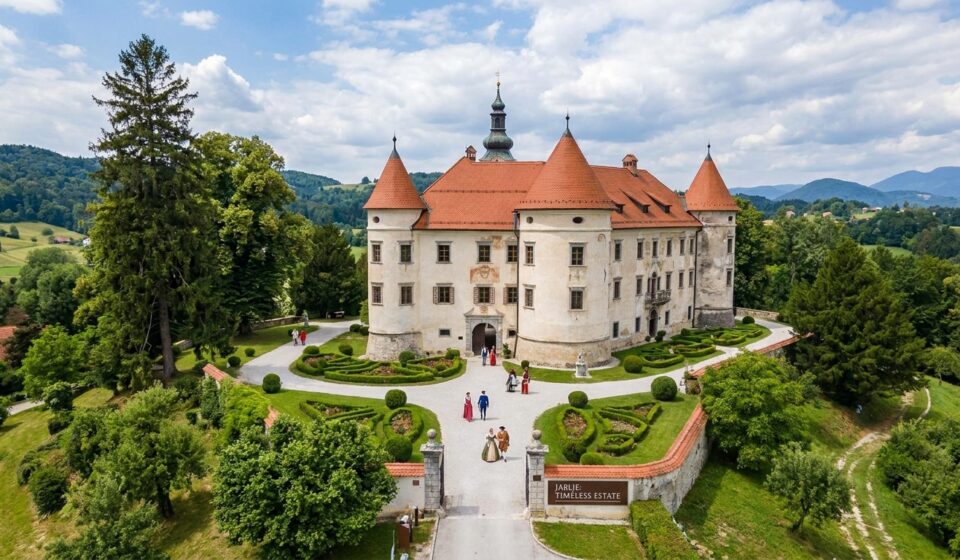
Jablje stands as one of those rare places where history is not just remembered but still quietly present in the landscape, architecture, and atmosphere. Located in Slovenia, this historic estate is widely recognized for its cultural value, noble past, and preserved architectural identity. It reflects centuries of European heritage shaped by aristocratic life, changing political eras, and modern efforts to protect historical landmarks.
Unlike places that exist only in records or ruins, Jablje continues to function as a living cultural site. It bridges the gap between the past and present, offering insight into how historical estates evolve while still maintaining their original character. Visitors, researchers, and cultural institutions find in Jablje a meaningful example of how heritage can remain relevant in a modern world.
A Glimpse Into the Historical Journey of Jablje
The history of Jablje is closely connected to the development of noble estates in Central Europe. Like many manor houses of its time, it was originally built as a residence for aristocratic families who played a significant role in regional governance and land management. These estates were not only homes but also centers of economic and social influence.
Over time, ownership and purpose shifted as political and social systems changed. Feudal structures gradually weakened, and estates like Jablje adapted to new realities. Each generation left its mark through renovations, architectural changes, or shifts in how the property was used.
This layered history is what makes Jablje particularly fascinating. It is not a frozen monument but a place shaped by continuous transformation. Every stone and structure carries traces of different eras, reflecting the broader historical evolution of the region.
Architectural Elegance Rooted in Tradition
One of the most striking aspects of Jablje is its architectural design, which reflects traditional European manor construction. The building showcases balanced proportions, symmetrical layouts, and carefully designed structural elements that were typical of aristocratic residences.
The architecture blends functionality with aesthetic refinement. Thick walls, elegant facades, and thoughtfully arranged interior spaces reveal both practicality and a sense of prestige. These design choices were intended to reflect the social standing of its original owners while ensuring comfort and durability.
The surrounding environment also enhances the architectural experience. Gardens, open spaces, and natural landscapes were historically integrated into estate planning, creating harmony between built structures and nature. This relationship remains an essential part of Jablje’s visual identity today.
Restoration efforts have preserved much of its original charm while allowing for modern usability. This balance between conservation and adaptation ensures that the estate remains both historically authentic and functionally relevant.
Cultural Importance Beyond the Walls
Jablje is more than an architectural landmark. It is a cultural space that reflects the traditions, values, and historical memory of the region. Heritage sites like this play an essential role in preserving collective identity, offering tangible connections to the past.
Over the years, Jablje has been used for cultural events, institutional gatherings, and educational programs. This continued use gives the estate a dynamic role in modern society rather than limiting it to a static historical object.
Such cultural engagement ensures that history remains accessible and meaningful. Visitors are not only observing architecture but also experiencing a space that continues to contribute to intellectual and cultural life.
The Natural Setting That Enhances Its Identity
The surroundings of Jablje are an important part of its overall character. The estate is located in a landscape that combines natural beauty with rural tranquility. Green spaces, trees, and gently rolling terrain create an atmosphere that complements the historic architecture.
This harmony between nature and structure is a defining feature of many European estates. It reflects an intentional design philosophy where buildings were meant to exist in balance with their environment rather than dominate it.
Today, this natural setting enhances the visitor experience, offering a peaceful environment that encourages reflection and exploration. It also adds to the estate’s appeal as a cultural tourism destination.
A Living Space for Modern Use
Unlike many historical sites that exist only as preserved monuments, Jablje continues to serve practical functions in the present day. It has been adapted for institutional, cultural, and educational purposes, ensuring its ongoing relevance.
This adaptive reuse is an important aspect of heritage conservation. Instead of allowing historical buildings to deteriorate, modern societies often repurpose them in ways that respect their original character while giving them new life.
In the case of Jablje, this approach ensures that the estate remains active and maintained. It also allows the public to engage with history in a direct and meaningful way through events, conferences, and cultural programs.
Tourism and Educational Value
Jablje attracts visitors who are interested in history, architecture, and cultural heritage. Tourism here is not focused on entertainment but on learning and exploration. Guided visits and educational experiences help visitors understand the historical significance of the estate.
For students, researchers, and cultural enthusiasts, Jablje offers a real-world example of how historical estates functioned and evolved over time. It provides insight into architectural styles, social structures, and regional history.
Cultural tourism also plays a role in supporting preservation efforts. Visitor interest helps generate awareness and resources needed for maintenance and restoration, ensuring that the site remains protected for future generations.
Preservation and Care for the Future
Maintaining a historical estate like Jablje requires ongoing care and specialized restoration efforts. Preservation teams work to protect original materials, repair structural elements, and ensure that any modern updates remain respectful of the building’s heritage.
This process is delicate because it must balance authenticity with functionality. Too much modernization can compromise historical value, while insufficient maintenance can lead to deterioration.
Advanced preservation techniques, combined with historical research, help maintain this balance. The goal is always to protect the integrity of the site while allowing it to remain useful and accessible.
Educational and Research Importance
Jablje also serves as a valuable resource for academic research. Historical estates like this provide insight into architectural evolution, cultural history, and social organization in earlier centuries.
Researchers often study such sites to better understand how noble estates influenced regional development, land use, and cultural traditions. Educational programs hosted at the estate allow students to experience history in a direct and immersive way.
This combination of research and education ensures that Jablje is not only preserved as a physical structure but also continues to contribute to intellectual and cultural understanding.
Why Jablje Still Matters Today
In a rapidly changing world, places like Jablje remind us of the importance of continuity and heritage. They offer a sense of connection to history that cannot be replicated through books or digital media alone.
Jablje matters because it represents more than architecture. It embodies cultural memory, historical transformation, and the ongoing relationship between past and present. Its continued preservation reflects a commitment to valuing history while adapting to modern needs.
Conclusion
Jablje stands as a powerful example of how historical estates can remain relevant across centuries. With its rich architectural heritage, cultural significance, and modern adaptability, it continues to serve as both a historical landmark and a living cultural space.
Its story is one of transformation and preservation, showing how history can be protected while still evolving. Jablje is not just a place to observe the past but a space where the past and present coexist in meaningful harmony.
Disclaimer: Information on this site is for general guidance only. While we aim for accuracy, details may change—please verify important information before relying on it.