
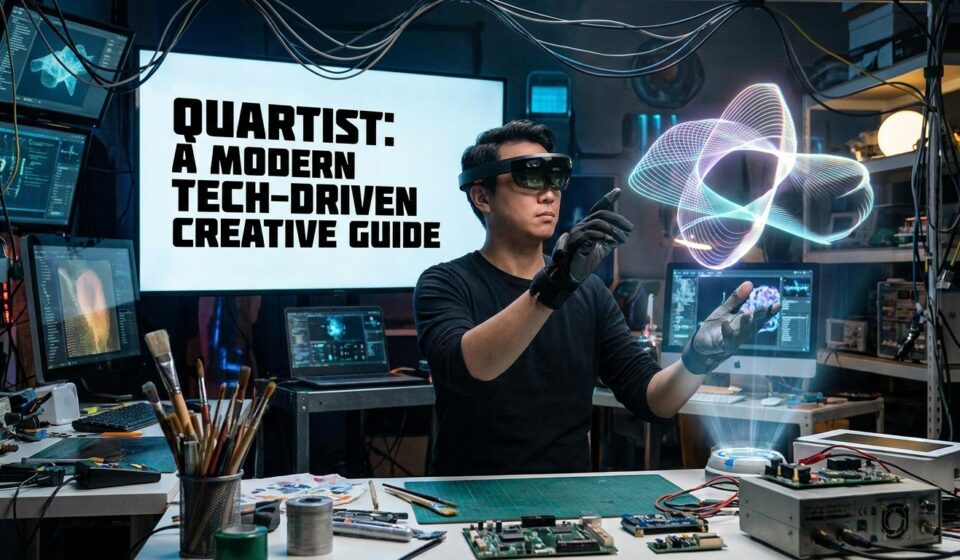
The term “quartist” is an emerging label that blends creativity with modern technology. It refers to individuals who use digital tools, software, and innovative platforms to produce artistic content that pushes beyond traditional boundaries. Unlike conventional artists who rely primarily on physical mediums, quartists operate at the intersection of art and technology, crafting experiences that are interactive, data-driven, and often immersive.
In a rapidly evolving digital landscape, the quartist represents a new kind of creator—one who adapts quickly to technological trends while maintaining a strong artistic vision. This fusion of technical skill and creative expression defines the essence of a quartist.
The Evolution of Digital Creativity
Art has always evolved alongside technology. From the invention of the camera to the rise of graphic design software, each advancement has expanded the possibilities for creators. The concept of the quartist emerges from this ongoing transformation.
With the introduction of artificial intelligence, augmented reality (AR), virtual reality (VR), and blockchain technologies, artists now have tools that allow them to create in entirely new dimensions. Quartists embrace these tools not just as aids, but as integral components of their creative process. They are pioneers who redefine what art can be in a digital-first world.
Core Characteristics of a Quartist
A quartist is defined by a combination of creativity, technical expertise, and adaptability. These individuals are not limited to one medium or style; instead, they explore multiple forms of expression through technology.
One key trait is digital fluency. Quartists are comfortable working with software such as 3D modeling tools, animation programs, and AI-based design platforms. They understand how to manipulate digital environments to bring their ideas to life.
Another defining characteristic is innovation. Quartists often experiment with new technologies, pushing boundaries to create unique and engaging experiences. Whether it’s generative art powered by algorithms or interactive installations that respond to user input, innovation is at the heart of their work.
Lastly, collaboration plays a significant role. Quartists frequently work with developers, engineers, and other creatives to produce multidisciplinary projects that combine art, code, and design.
Tools and Technologies Used by Quartists
The toolkit of a quartist is diverse and constantly evolving. Digital creation software forms the foundation of their work. Programs like Adobe Creative Suite, Blender, and Unity enable them to design, animate, and build interactive environments.
Artificial intelligence has become a powerful tool for quartists. AI-driven platforms can generate images, compose music, or even assist in storytelling. This allows quartists to explore new creative possibilities that were previously unimaginable.
Blockchain technology is another important element. Through NFTs (non-fungible tokens), quartists can tokenize their work, ensuring authenticity and enabling new ways to monetize digital art.
Additionally, AR and VR technologies allow quartists to create immersive experiences. These tools enable audiences to interact with art in ways that go beyond passive observation, transforming them into active participants.
Types of Work Created by Quartists
Quartists produce a wide range of digital content that spans multiple industries. One popular form is generative art, where algorithms are used to create unique visual patterns and designs. Each piece is often one-of-a-kind, generated through code.
Another area is interactive installations, where art responds to user input, movement, or environmental data. These installations are commonly seen in exhibitions and public spaces.
Quartists also work in digital storytelling, combining visuals, sound, and interactivity to create immersive narratives. This can include video games, virtual experiences, or multimedia presentations.
In addition, many quartists are involved in NFT art, creating digital assets that can be bought, sold, and traded on blockchain platforms. This has opened up new opportunities for artists to reach global audiences and generate income.
The Role of AI in Quartist Creativity
Artificial intelligence has transformed the way quartists approach their craft. AI tools can analyze patterns, generate ideas, and even create complete works of art. For quartists, this is not about replacing creativity but enhancing it.
By collaborating with AI, quartists can explore new styles and techniques. For example, AI can generate multiple variations of a design, allowing the artist to refine and select the most compelling version. This speeds up the creative process and encourages experimentation.
AI also enables personalization. Quartists can create art that adapts to individual users, making each experience unique. This level of customization adds a new dimension to digital creativity.
Benefits of Becoming a Quartist
Becoming a quartist offers numerous advantages, especially in today’s digital economy. One major benefit is the ability to reach a global audience. Digital platforms allow quartists to share their work with people around the world, breaking down geographical barriers.
Another advantage is creative freedom. Quartists are not confined to traditional mediums, allowing them to explore a wide range of ideas and techniques. This flexibility fosters innovation and personal expression.
Financial opportunities are also significant. Through NFTs, online marketplaces, and freelance platforms, quartists can monetize their work in various ways. This creates new revenue streams that were not available to traditional artists.
Challenges Faced by Quartists
Despite the many opportunities, quartists also face challenges. One major issue is the rapid pace of technological change. Keeping up with new tools and trends requires continuous learning and adaptation.
Another challenge is market saturation. As more people enter the digital art space, competition increases. Quartists must find ways to stand out and differentiate their work.
There are also concerns related to copyright and ownership, particularly in the context of AI-generated art. Determining who owns the rights to such creations can be complex and requires careful consideration.
How to Become a Quartist
Becoming a quartist involves developing both creative and technical skills. The first step is to gain a solid foundation in digital tools such as graphic design software, 3D modeling programs, and coding languages.
Experimentation is key. Aspiring quartists should explore different mediums and technologies to discover their unique style. Online courses, tutorials, and communities can provide valuable resources and support.
Building a portfolio is essential. Showcasing a range of projects demonstrates versatility and skill, helping quartists attract clients or collaborators.
Networking is also important. Connecting with other creatives, developers, and industry professionals can lead to new opportunities and collaborations.
The Future of Quartists in the Digital World
The future of quartists looks promising as technology continues to evolve. With advancements in AI, AR, and VR, the possibilities for digital creativity are expanding rapidly.
Quartists are likely to play a key role in shaping the future of entertainment, marketing, and digital experiences. Their ability to combine art and technology makes them valuable contributors to various industries.
As society becomes increasingly digital, the demand for innovative and engaging content will continue to grow. Quartists are well-positioned to meet this demand, creating experiences that captivate and inspire audiences.
Conclusion
A quartist represents the next generation of creative professionals—individuals who harness the power of technology to redefine art. By blending technical expertise with artistic vision, quartists create works that are dynamic, interactive, and deeply engaging.
In a world where digital experiences are becoming the norm, the role of the quartist is more important than ever. Whether through AI-generated art, immersive environments, or blockchain-based creations, quartists are shaping the future of creativity in the digital age.