
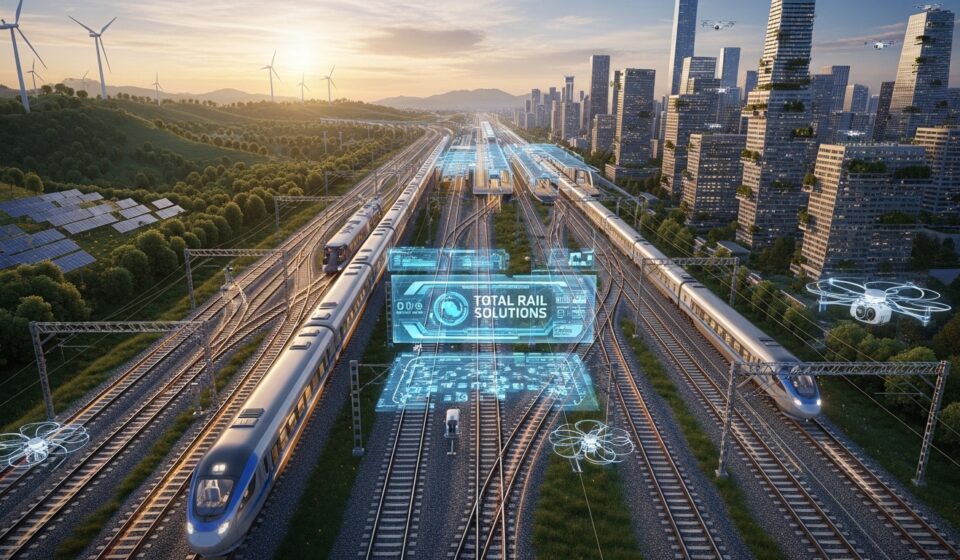
Total Rail Solutions: Transforming Modern Railway Infrastructure and Services

Rail transport continues to play a vital role in the movement of people and goods across the world. As cities expand and industries grow, the demand for efficient, reliable, and sustainable railway systems has increased significantly. In this environment, Total Rail Solutions has emerged as an important concept that represents a complete approach to railway infrastructure, maintenance, workforce support, safety, and operational efficiency. Businesses and public organizations are increasingly looking for integrated railway services that can reduce delays, improve performance, and create long-term value.
Total Rail Solutions is not limited to one specific service. Instead, it refers to a comprehensive method of supporting railway networks through planning, engineering, maintenance, staffing, technology, and project management. This broad approach is helping rail operators and contractors meet the challenges of a rapidly changing transportation sector.
Total Rail Solutions and the Importance of Modern Railway Systems
Modern railway systems are much more complex than they were in the past. Earlier rail networks focused mainly on tracks and trains, but today’s systems involve digital signaling, electrical infrastructure, safety regulations, environmental requirements, and advanced maintenance practices. Because of this complexity, railway organizations need a more complete and coordinated service model.
Total Rail Solutions provides this model by bringing different railway services together under one structure. Instead of using multiple contractors for separate tasks, companies can rely on a unified solution that supports all aspects of a railway project.
The table below shows how railway needs have changed over time.
| Period | Main Focus | Modern Requirement |
|---|---|---|
| Traditional Rail Era | Track installation and train movement | Integrated infrastructure and maintenance |
| Early Modern Rail | Expansion of routes and stations | Improved safety and operational efficiency |
| Digital Rail Era | Automation and signaling | Smart technology and predictive maintenance |
| Future Rail Systems | Sustainable transport | Full-service rail management and innovation |
As rail systems become more advanced, the need for complete service packages continues to grow. Organizations that use a coordinated approach often experience better communication, lower costs, and stronger long-term performance.
Total Rail Solutions in Railway Infrastructure Development
Railway infrastructure forms the foundation of every successful rail network. Tracks, bridges, stations, tunnels, electrical systems, and signaling equipment all need to work together properly. A small problem in one area can affect the entire system and lead to delays, higher costs, and safety concerns.
Total Rail Solutions supports infrastructure development by combining engineering knowledge with practical project management. This allows rail companies to plan, design, and maintain infrastructure more effectively.
When building new railway lines or upgrading existing ones, organizations often face several challenges. They must manage budgets, comply with regulations, reduce environmental impact, and complete work within strict deadlines. A complete rail service provider can coordinate these tasks more efficiently than separate contractors.
The following table highlights the main areas involved in railway infrastructure.
| Infrastructure Area | Purpose | Benefit |
|---|---|---|
| Track Installation | Supports train movement | Improved reliability and safety |
| Signaling Systems | Controls train operations | Reduced risk of collisions |
| Electrification | Powers electric trains | Lower emissions and better efficiency |
| Station Development | Supports passengers and services | Better travel experience |
Infrastructure projects also require close attention to quality. Poorly installed tracks or outdated signaling systems can create serious problems in the future. For this reason, railway companies increasingly rely on providers that offer complete infrastructure solutions from beginning to end.
Another advantage of this approach is better communication. When different teams work separately, misunderstandings can occur. A single provider can coordinate engineers, technicians, and project managers more effectively, which reduces delays and confusion.
Total Rail Solutions and Railway Maintenance Services
Maintenance is one of the most important parts of any railway system. Tracks, trains, and electrical equipment are exposed to constant use and harsh weather conditions. Without regular maintenance, railway systems can become unsafe and unreliable.
Total Rail Solutions includes preventive and corrective maintenance services that help rail networks remain efficient. Preventive maintenance involves inspecting equipment and fixing small problems before they become serious. Corrective maintenance focuses on repairing issues after they occur.
Many railway organizations are now moving away from traditional maintenance methods. In the past, maintenance often took place only after a failure occurred. Today, companies prefer predictive maintenance because it helps reduce unexpected disruptions.
The table below compares different maintenance methods.
| Maintenance Type | Description | Result |
|---|---|---|
| Reactive Maintenance | Repairs after a failure occurs | Higher costs and more delays |
| Preventive Maintenance | Regular inspections and servicing | Better reliability and fewer breakdowns |
| Predictive Maintenance | Uses data to identify future problems | Reduced downtime and lower maintenance costs |
Advanced maintenance technologies are becoming increasingly important in modern rail systems. Sensors can monitor track conditions, train performance, and electrical systems in real time. If a problem is detected, maintenance teams can respond quickly before the issue becomes more serious.
For example, a railway company may use track monitoring systems to identify weak points in the rail structure. By repairing those sections early, the company can prevent accidents and avoid expensive emergency repairs.
Maintenance services also help improve passenger satisfaction. When trains run on time and stations remain in good condition, customers have a more positive travel experience. Reliable railway operations are essential for both public transport and freight services.
Total Rail Solutions for Workforce and Staffing Support
The railway industry depends heavily on skilled workers. Engineers, technicians, machine operators, safety officers, and project managers all play an important role in keeping railway systems running smoothly. However, many rail companies face difficulties finding and managing qualified staff.
Total Rail Solutions often includes workforce support services that help companies recruit, train, and manage railway professionals. This can be especially valuable during large projects or periods of rapid expansion.
Railway work requires specialized skills and strict attention to safety. Employees must understand how to use equipment correctly, follow regulations, and respond to emergencies. Because of this, training is an essential part of workforce development.
The following table outlines common railway roles and their responsibilities.
| Railway Role | Main Responsibility |
|---|---|
| Track Engineer | Designs and maintains rail infrastructure |
| Signaling Technician | Installs and repairs signaling systems |
| Safety Officer | Ensures compliance with regulations |
| Project Manager | Coordinates railway projects and teams |
A complete staffing solution can reduce the time and cost involved in hiring. Instead of searching for workers independently, railway companies can access experienced professionals through one service provider. This approach also ensures that staff members meet the required qualifications and certifications.
Training programs are equally important. Railway technology continues to evolve, and employees need regular instruction to keep their skills up to date. New equipment, digital systems, and environmental standards require workers to learn continuously.
Strong workforce support improves productivity and safety. Well-trained employees are less likely to make mistakes, and they can complete tasks more efficiently. This leads to better overall performance across the railway network.
Total Rail Solutions and Railway Safety Standards
Safety is one of the most important concerns in the railway industry. Rail networks involve heavy machinery, high speeds, electrical systems, and public transportation. A single mistake can have serious consequences.
Total Rail Solutions helps organizations improve safety by combining inspections, training, compliance, and risk management. Instead of treating safety as a separate activity, this approach makes it part of every stage of a railway project.
Modern railway safety includes several areas. Infrastructure must be inspected regularly, employees must follow safety procedures, and emergency plans must be tested. Technology also plays a major role in improving safety.
The table below shows some common railway safety measures.
| Safety Measure | Purpose |
|---|---|
| Regular Track Inspections | Identifies damage before it becomes dangerous |
| Employee Training | Reduces the risk of human error |
| Signal Testing | Prevents communication failures |
| Emergency Planning | Improves response during incidents |
Many countries now have strict railway safety regulations. Companies must comply with these rules in order to operate legally. A complete rail service provider can help organizations understand and follow these requirements.
Technology has improved safety significantly in recent years. Automatic warning systems, digital monitoring, and remote inspections can identify problems much faster than traditional methods. Drones, for example, are now used to inspect tracks, bridges, and overhead wires in difficult locations.
Safety also affects public confidence. Passengers are more likely to use rail transport when they believe the system is reliable and secure. Businesses that transport goods by rail also want assurance that their cargo will arrive safely and on time.
Total Rail Solutions and the Use of Digital Technology
Digital technology is transforming every part of the railway sector. Data analysis, automation, artificial intelligence, and cloud-based systems are helping railway companies operate more efficiently.
Total Rail Solutions increasingly includes digital tools that improve communication, maintenance, and decision-making. These technologies allow rail operators to collect and analyze large amounts of information.
One important development is the use of predictive analytics. By studying data from trains, tracks, and equipment, companies can identify patterns and predict future problems. This helps reduce downtime and improve performance.
The following table explains some of the main digital technologies used in rail systems.
| Technology | Function | Benefit |
|---|---|---|
| Predictive Analytics | Identifies future maintenance needs | Reduces breakdowns |
| Remote Monitoring | Tracks equipment in real time | Faster response to problems |
| Artificial Intelligence | Supports planning and operations | Improved efficiency |
| Digital Project Management | Coordinates teams and schedules | Better communication and organization |
Digital systems also make it easier to manage railway projects. Large projects often involve many teams working in different locations. Cloud-based project management platforms allow everyone to share information, monitor progress, and solve problems more quickly.
Automation is another important trend. Some railway systems now use automated trains, signaling systems, and inspection equipment. These innovations can reduce human error and improve overall efficiency.
However, digital technology also creates new challenges. Cybersecurity is becoming increasingly important because railway systems now depend heavily on software and connected devices. Companies must protect their systems from cyberattacks and data breaches.
Total Rail Solutions and Environmental Sustainability
Rail transport is already considered one of the most environmentally friendly forms of transportation. Trains can move large numbers of passengers and goods with lower emissions than cars or trucks. Even so, the railway industry continues to search for ways to become more sustainable.
Total Rail Solutions supports sustainability by promoting efficient energy use, environmentally friendly construction methods, and reduced waste. This is becoming increasingly important as governments and businesses focus on climate goals.
Electrification is one of the most effective ways to reduce emissions in the railway sector. Electric trains produce less pollution than diesel-powered trains and are often more efficient.
The table below shows some sustainable railway practices.
| Sustainable Practice | Environmental Benefit |
|---|---|
| Railway Electrification | Reduces carbon emissions |
| Energy-Efficient Stations | Lowers electricity use |
| Recycled Construction Materials | Reduces waste |
| Smart Maintenance Systems | Minimizes unnecessary repairs |
Railway companies are also exploring alternative energy sources. Some modern trains use battery systems or hydrogen fuel cells. These technologies may become more common in the future as the industry continues to reduce its environmental impact.
Sustainable construction is another important area. New rail projects often use recycled materials and environmentally sensitive building methods. These practices can reduce waste and protect natural habitats.
Passengers and businesses increasingly prefer environmentally responsible transport. As a result, sustainability is no longer just a public relations issue. It has become an important part of long-term railway planning.
The Future of Total Rail Solutions
The future of the railway industry will be shaped by innovation, population growth, and changing transportation needs. Cities are becoming larger, and more people are using public transport. At the same time, businesses need faster and more efficient freight services.
Total Rail Solutions is likely to become even more important in the future because railway systems will continue to grow in complexity. Companies will need integrated services that combine infrastructure, maintenance, staffing, safety, and technology.
Several trends are expected to influence the future of rail transport.
| Future Trend | Possible Impact |
|---|---|
| High-Speed Rail Expansion | Faster travel and increased connectivity |
| Artificial Intelligence | Smarter maintenance and operations |
| Green Transport Policies | Greater investment in sustainable rail systems |
| Digital Railway Networks | Better communication and efficiency |
High-speed rail projects are expanding in many countries. These systems require advanced engineering, precise maintenance, and sophisticated technology. A complete rail solution is essential for managing such complex projects.
Artificial intelligence may also transform the industry. AI systems could help predict maintenance needs, optimize train schedules, and improve passenger services. At the same time, digital networks may allow different parts of the rail system to communicate more effectively.
The railway sector will continue to face challenges, including rising costs, labor shortages, and environmental pressures. However, integrated solutions provide a practical way to address these issues.
Conclusion
Total Rail Solutions represents a modern and comprehensive approach to railway services. Instead of focusing on one specific area, it combines infrastructure development, maintenance, workforce support, safety, technology, and sustainability into a single system.
As railway networks become more advanced, organizations need better coordination and stronger long-term planning. A complete service model can improve reliability, reduce costs, and support future growth.
The railway industry is entering a new era of digital innovation and environmental responsibility. Companies that invest in integrated rail services are more likely to achieve success in this changing landscape.