
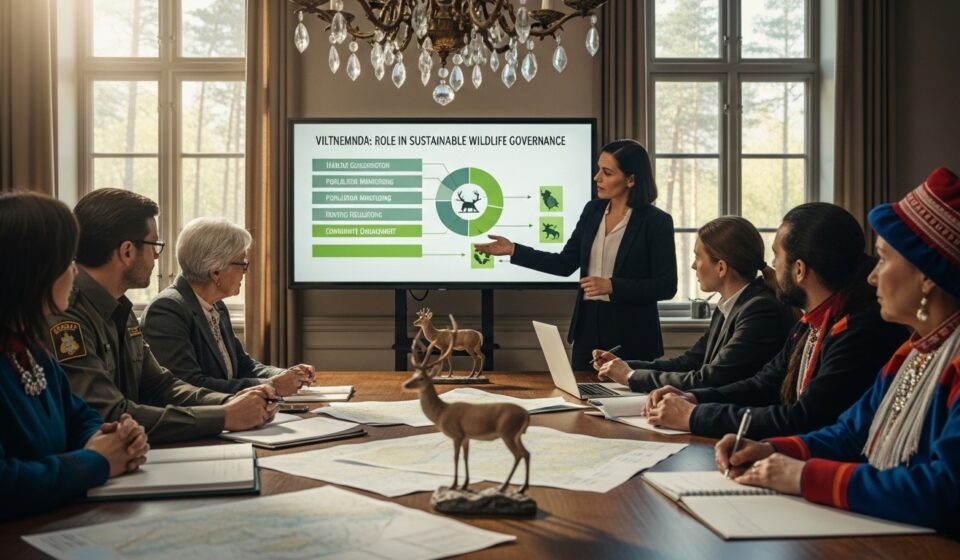
Viltnemnda is a key concept in wildlife management, particularly within Scandinavian governance systems where structured oversight of natural resources is essential. The term Viltnemnda generally refers to a local wildlife management committee responsible for overseeing hunting regulations, conservation efforts, and ecological balance within a specific municipality or region. As environmental concerns continue to grow, the importance of Viltnemnda has become increasingly significant in maintaining harmony between human activity and wildlife preservation.
The existence of Viltnemnda reflects a broader commitment to sustainable resource management, ensuring that wildlife populations are protected while still allowing regulated human interaction such as hunting and land use.
The Structure and Function of Viltnemnda
Viltnemnda typically operates as a municipal body composed of appointed members who possess knowledge or interest in wildlife management. These members may include local officials, environmental experts, and community representatives. The structure of Viltnemnda is designed to ensure that decisions are made with both scientific understanding and local insight.
The primary function of Viltnemnda is to implement national wildlife policies at the local level. This includes adapting broader regulations to fit the specific ecological conditions of the area. By doing so, Viltnemnda plays a crucial role in ensuring that wildlife management strategies are both effective and contextually appropriate.
Responsibilities of Viltnemnda in Wildlife Management
Viltnemnda carries a wide range of responsibilities that contribute to sustainable environmental practices. One of its main duties is to regulate hunting activities within its jurisdiction. This involves setting quotas, determining hunting seasons, and ensuring that all activities comply with legal and ethical standards.
In addition to regulating hunting, Viltnemnda is also responsible for monitoring wildlife populations. This includes tracking species numbers, identifying potential threats, and implementing measures to protect vulnerable animals. Through these efforts, Viltnemnda helps maintain ecological balance and biodiversity.
Another important responsibility of Viltne-mnda is addressing conflicts between wildlife and human populations. This may involve managing situations where animals pose a threat to agriculture, property, or public safety. By providing structured solutions, Viltne-mnda helps reduce tension while promoting coexistence.
Viltnemnda and Local Community Engagement
Community involvement is a central aspect of Viltnemnda’s work. Because it operates at a local level, Viltnemnda is uniquely positioned to engage with residents and stakeholders. This engagement helps build trust and ensures that wildlife management decisions are informed by local perspectives.
Viltnemnda often collaborates with landowners, hunters, and environmental organizations to develop strategies that benefit both people and wildlife. This collaborative approach enhances the effectiveness of its initiatives and fosters a sense of shared responsibility.
Public awareness is another important component of Viltnemnda’s role. By educating the community about wildlife conservation and responsible practices, Viltnemnda contributes to a more informed and environmentally conscious society.
The Legal Framework Surrounding Viltnemnda
Viltnemnda operates within a structured legal framework that governs wildlife management. National laws and regulations provide the foundation for its activities, outlining the rules for hunting, conservation, and environmental protection. Viltne-mnda is responsible for ensuring that these laws are applied effectively at the local level.
This legal framework also provides guidelines for decision-making processes, ensuring transparency and accountability. By adhering to these regulations, Viltne-mnda maintains credibility and ensures that its actions are aligned with broader environmental goals.
Challenges Faced by Viltnemnda
Despite its important role, Viltne-mnda faces several challenges in carrying out its responsibilities. One of the primary challenges is balancing conservation efforts with human interests. As populations grow and land use changes, conflicts between wildlife and human activity become more frequent.
Another challenge is adapting to environmental changes such as climate change, which can impact wildlife habitats and migration patterns. Viltnemnda must continuously update its strategies to address these evolving conditions.
Limited resources can also pose a challenge, as effective wildlife management requires funding, expertise, and ongoing monitoring. Despite these obstacles, Viltne-mnda continues to play a vital role in maintaining ecological balance.
The Importance of Viltnemnda in Modern Conservation
Viltne-mnda represents an essential link between national environmental policies and local implementation. Its work ensures that conservation efforts are not only theoretical but also practical and effective. By focusing on local conditions, Viltne-mnda can address specific challenges that may not be apparent at a broader level.
In the context of modern conservation, the role of Viltne-mnda is more important than ever. As environmental concerns become increasingly complex, localized management systems provide the flexibility needed to respond effectively.
Future Perspectives for Viltnemnda
Looking ahead, Viltnemnda is likely to evolve in response to new environmental and societal challenges. Advances in technology, such as data monitoring and geographic information systems, may enhance its ability to track wildlife populations and make informed decisions.
There is also potential for increased collaboration between regions, allowing Viltnemnda to share knowledge and best practices. This could lead to more consistent and effective wildlife management strategies across different areas.
As awareness of environmental issues continues to grow, Viltne-mnda may also play a larger role in education and advocacy, helping to shape public attitudes toward conservation.
Conclusion
Viltnemnda is a vital component of wildlife management, providing a structured and localized approach to conservation and regulation. Through its responsibilities in monitoring wildlife, regulating hunting, and engaging with the community, Viltne-mnda helps maintain a balance between human activity and natural ecosystems.
Its importance extends beyond immediate environmental concerns, contributing to long-term sustainability and biodiversity. As challenges continue to evolve, Viltne-mnda will remain a key player in ensuring that wildlife management is both effective and responsible.