
Table of Contents
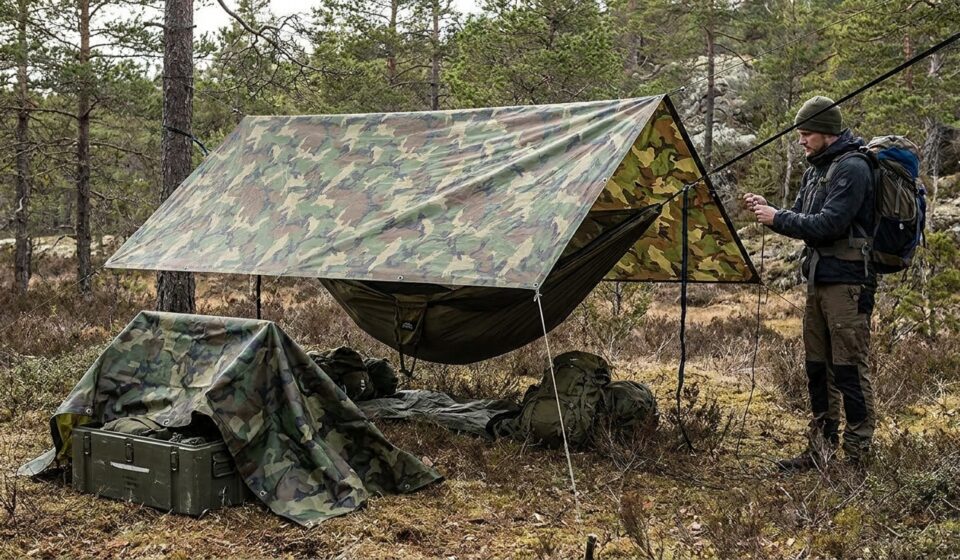
ToggleTarnplanen is a German term that translates to “camouflage tarpaulin” or “camouflage tarp” in English. It refers to a durable, weather-resistant sheet designed to conceal, protect, and cover objects in outdoor environments. Originally developed for military purposes, Tarnplanen have evolved into versatile tools used in camping, survival, construction, hunting, and even gardening.
Their defining feature is camouflage patterning, which helps blend objects into natural surroundings. Combined with strong materials and multifunctional design, Tarnplanen have become essential equipment for both professionals and outdoor enthusiasts.
What is a Tarnplanen?
A Tarnplanen is essentially a heavy-duty tarp with camouflage properties. It is typically made from materials such as polyethylene, polyester, or canvas, and is treated to resist water, UV rays, and tearing.
Key features include:
- Camouflage patterns for concealment
- Reinforced edges for durability
- Metal eyelets (grommets) for securing
- Waterproof or water-resistant coating
These characteristics make Tarnplanen suitable for both protective and tactical uses.
Common uses of Tarnplanen
The versatility of Tarnplanen allows them to be used in a wide range of applications.
Outdoor and camping
Campers use Tarnplanen as:
- Ground sheets
- Temporary shelters
- Rain covers
They provide protection from harsh weather while blending into the environment.
Military and tactical use
Originally designed for the military, Tarnplanen are used to:
- Conceal equipment and vehicles
- Create temporary shelters
- Reduce visibility in natural terrain
Their camouflage design is crucial in these scenarios.
Hunting and wildlife observation
Hunters and photographers use Tarnplanen to:
- Build hides or blinds
- Conceal their presence
- Observe animals without disturbance
Construction and storage
In construction, Tarnplanen can:
- Cover materials
- Protect tools from weather
- Shield work areas
Gardening and agriculture
They are also used to:
- Protect plants from extreme weather
- Cover soil or compost
- Create shaded areas
Materials used in Tarnplanen
The effectiveness of a Tarnplanen depends largely on the material used.
Polyethylene (PE)
- Lightweight and waterproof
- Affordable and widely available
- Suitable for general-purpose use
Polyester
- Strong and tear-resistant
- Often coated for water resistance
- Ideal for long-term outdoor use
Canvas
- Heavy-duty and breathable
- More environmentally friendly
- Preferred for durability and natural appearance
Each material offers different advantages depending on the intended application.
Benefits of using Tarnplanen
Tarnplanen provide several practical advantages.
Camouflage capability
Their primary benefit is the ability to blend into surroundings, making them ideal for concealment.
Weather protection
They protect against rain, wind, and sunlight, ensuring equipment and spaces remain सुरक्षित (safe).
Durability
High-quality Tarnplanen are built to withstand harsh conditions, including strong winds and rough handling.
Versatility
They can be adapted for multiple uses, from shelter building to equipment protection.
How to choose the right Tarnplanen
Selecting the right Tarnplanen depends on your specific needs.
Consider size
Choose a size that matches your intended use. Larger tarps are better for shelters, while smaller ones are suitable for covering equipment.
Check material quality
Durable materials with reinforced edges will last longer and perform better.
Look for waterproofing
If you need protection from rain, ensure the tarp is fully waterproof.
Evaluate camouflage pattern
Different environments require different patterns, such as woodland, desert, or snow camouflage.
Maintenance and care
Proper care extends the lifespan of a Tarnplanen.
- Clean it regularly to remove dirt and debris
- Dry it before storage to prevent mold
- Avoid sharp objects that may cause tears
- Store in a cool, dry place
Maintaining your tarp ensures consistent performance over time.
Modern innovations in Tarnplanen
Recent developments have improved Tarnplanen functionality.
Lightweight materials
New fabrics reduce weight without sacrificing strength, making them easier to carry.
Advanced coatings
Improved coatings offer better UV resistance and waterproofing.
Multi-functional designs
Some Tarnplanen now include features like:
- Built-in loops for easy setup
- Reversible patterns
- Fire-resistant treatments
These innovations enhance usability across different scenarios.
Environmental considerations
As sustainability becomes more important, manufacturers are exploring eco-friendly materials and production methods. Reusable and long-lasting Tarnplanen help reduce waste compared to disposable coverings.
Conclusion
Tarnplanen are practical, durable, and highly versatile tools that serve a wide range of purposes. From military applications to camping, construction, and gardening, their ability to provide protection and concealment makes them invaluable in many situations.
By understanding their features, materials, and uses, users can select the right Tarnplanen for their needs and maximize its benefits. As technology continues to improve, these camouflage tarps will remain an essential solution for outdoor protection and adaptability.
Frequently Asked Questions (FAQs) about Tarnplanen
1. What is a Tarnplanen used for?
A Tarnplanen is mainly used for covering, protecting, and concealing objects in outdoor environments. It is commonly used in camping as a shelter or groundsheet, in the military for camouflage, in construction to protect materials, and in hunting to stay hidden in natural surroundings.
2. Are Tarnplanen completely waterproof?
Most Tarnplanen are either waterproof or highly water-resistant, depending on the material and coating. Polyethylene tarps are typically fully waterproof, while canvas versions may be water-resistant but more breathable. It’s important to check product specifications before use in heavy rain conditions.
3. What materials are best for a Tarnplanen?
The best material depends on the intended use. Polyethylene is lightweight and affordable, polyester offers strong durability, and canvas is heavy-duty and long-lasting. For frequent outdoor use, reinforced polyester or high-quality PE tarps are often preferred.
4. How do you properly secure a Tarnplanen?
Tarnplanen usually come with reinforced eyelets (grommets) along the edges. These can be used with ropes, bungee cords, or stakes to secure the tarp. Proper tension and anchoring are important to prevent flapping or damage in windy conditions.
5. How long does a Tarnplanen last?
The lifespan of a Tarnplanen depends on its material, quality, and usage conditions. A high-quality tarp used and maintained properly can last several years. Regular cleaning, proper storage, and avoiding sharp objects can significantly extend its durability.
Disclaimer :Information on this site is for general guidance only. While we aim for accuracy, details may change—please verify important information before relying on it.

Abbas Ali
I am Abbas Ali, with over 7 years of experience in SEO and blogging. Throughout my journey, I’ve focused on transforming SEO strategies into real, measurable growth in search visibility and traffic. If you’re interested in improving rankings, increasing organic reach, or building strong, high-authority backlinks, feel free to get in touch.