
Table of Contents
ToggleWhat Are Tiimatuvat?
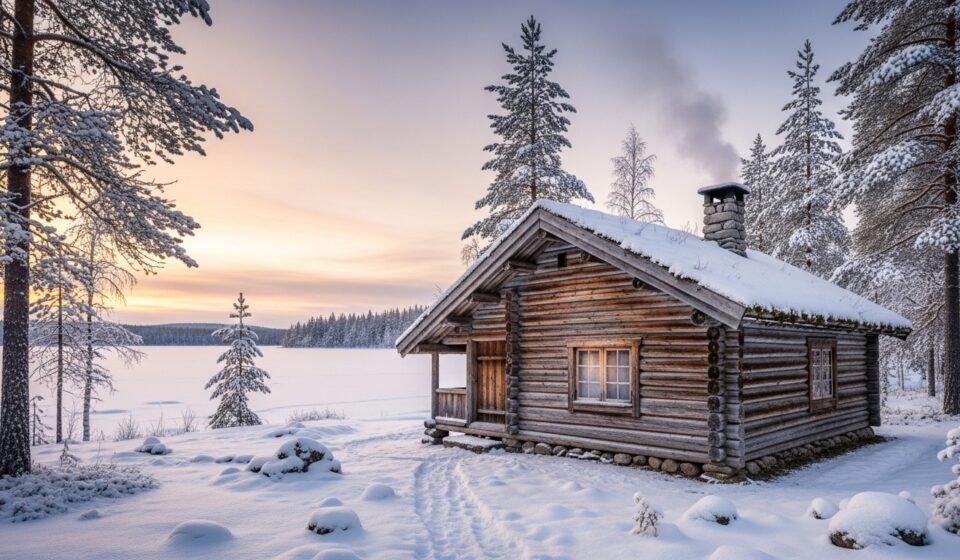
Tiimatuvat are traditional wilderness cabins found primarily in Finland and other Nordic regions. These simple wooden shelters are located in remote natural areas and are designed to provide temporary accommodation for hikers, hunters, and travelers exploring vast landscapes.
Although the term “tiimatuvat” is not widely known outside of local contexts, these cabins play an important role in Nordic outdoor culture. They are valued for their practicality, accessibility, and ability to offer protection in harsh environmental conditions.
Unlike modern accommodations, tiimatuvat emphasize minimalism and self-sufficiency. They are not built for luxury, but rather for survival, rest, and connection with nature.
Historical Background
The origins of tiimatuvat date back centuries, when long-distance travel through forests, tundra, and mountainous terrain required safe resting points. In sparsely populated regions, these cabins served as essential shelters for those navigating difficult and often dangerous environments.
Local communities, forestry services, or government organizations typically built and maintained these structures. Many tiimatuvat operated under an open-access principle, meaning travelers could use them freely without reservations or fees.
This tradition reflects a broader Nordic cultural value: trust and shared responsibility. Travelers were expected to respect the space, maintain it, and leave it in good condition for the next visitor.
Over time, tiimatuvat have been preserved as part of the region’s cultural heritage and continue to serve modern outdoor enthusiasts.
Key Features of Tiimatuvat
Simple and Durable Construction
Tiimatuvat are usually constructed from wood, a material that is abundant in Nordic forests and well-suited for insulation. The design is compact and efficient, allowing the structure to retain heat during cold weather.
The cabins are built to withstand extreme conditions, including heavy snowfall, strong winds, and freezing temperatures. Their durability ensures long-term usability with minimal maintenance.
Functional Interior Design
The interior of a tiimatupa (singular form) is basic but practical. Common features include:
- Wooden sleeping platforms or bunks
- A stove or fireplace for heating and cooking
- A small table or seating area
- Storage space for firewood or supplies
Most tiimatuvat do not have electricity, running water, or modern sanitation facilities. Visitors must rely on their own equipment and preparedness.
Strategic Locations
These cabins are typically placed along hiking trails, near lakes, or in areas commonly traversed by outdoor travelers. Their locations are carefully chosen to provide convenient stopping points during long journeys.
In national parks and protected areas, tiimatuvat often form part of a network of shelters that support multi-day trekking.
Modern Uses
Hiking and Outdoor Tourism
Today, tiimatuvat are widely used by hikers, backpackers, and nature enthusiasts. They offer an affordable and authentic alternative to hotels or lodges, especially for those seeking immersive outdoor experiences.
In many cases, the cabins remain free to use or require only a small voluntary contribution. This makes them accessible to a wide range of travelers.
Cultural Experience
Staying in a tiimatupa is more than just finding shelter—it is a cultural experience. Visitors gain insight into traditional ways of life and the values of simplicity, cooperation, and respect for nature.
For many, spending a night in one of these cabins provides a rare opportunity to disconnect from technology and reconnect with the natural world.
Etiquette and Rules
Although some tiimatuvat may have official guidelines, many operate on informal rules based on mutual respect. Common expectations include:
- Cleaning the cabin before leaving
- Sharing space with other travelers if necessary
- Using resources responsibly
- Replenishing firewood when possible
These practices help maintain the cabins and ensure they remain available for future visitors.
Benefits of Staying in Tiimatuvat
Deep Connection with Nature
Tiimatuvat allow travelers to fully immerse themselves in remote environments. Without modern distractions, visitors can appreciate the quiet, scenery, and natural rhythms of the wilderness.
Cost-Effective Travel
Many tiimatuvat are free or low-cost, making them an attractive option for budget-conscious adventurers.
Authentic and Unique Experience
Unlike commercial accommodations, these cabins offer a genuine and unfiltered experience of Nordic outdoor life.
Challenges and Considerations
Limited Comfort
The simplicity of tiimatuvat may not suit everyone. Visitors must be prepared for basic living conditions and bring necessary supplies.
Weather and Isolation
The remote locations and harsh climates require careful planning. Proper clothing, navigation tools, and emergency preparedness are essential.
Personal Responsibility
There is no staff or supervision at most tiimatuvat. Travelers must take full responsibility for their safety and the condition of the cabin.
Sustainability and Environmental Impact
Tiimatuvat represent a sustainable approach to tourism. Their small size, natural materials, and shared-use model minimize environmental impact.
They also encourage responsible behavior, as visitors are directly involved in maintaining the space. This fosters a deeper respect for nature and promotes eco-friendly travel habits.
Comparison with Other Shelters
While similar to mountain huts in other parts of the world, tiimatuvat are unique in their openness and accessibility. Many mountain refuges require bookings or fees, whereas tiimatuvat often operate on a first-come, first-served basis.
This system reflects a high level of trust and community responsibility, distinguishing them from more regulated accommodations.
Tips for Visiting a Tiimatupa
To ensure a safe and enjoyable experience, consider the following:
- Bring sufficient food and water
- Pack warm and weather-appropriate clothing
- Carry navigation tools such as maps or GPS
- Respect local customs and rules
- Plan your route in advance
Preparation is key when traveling in remote wilderness areas.
The Future of Tiimatuvat
As interest in sustainable travel and outdoor experiences grows, tiimatuvat are gaining increased attention. While this can help preserve and promote these structures, it also raises concerns about overuse and environmental impact.
Maintaining a balance between accessibility and conservation will be essential. Education and responsible tourism practices will play a crucial role in protecting these cabins for future generations.
Conclusion
Tiimatuvat are more than simple cabins—they are symbols of tradition, resilience, and harmony with nature. Their continued use highlights the enduring value of simplicity and shared responsibility.
For those willing to embrace their minimalism, tiimatuvat offer a unique and rewarding way to experience the wilderness. They remind us that sometimes, the most meaningful journeys are those that strip life down to its essentials: shelter, nature, and a sense of connection.

Abbas Ali
I am Abbas Ali, with over 7 years of experience in SEO and blogging. Throughout my journey, I’ve focused on transforming SEO strategies into real, measurable growth in search visibility and traffic. If you’re interested in improving rankings, increasing organic reach, or building strong, high-authority backlinks, feel free to get in touch.