
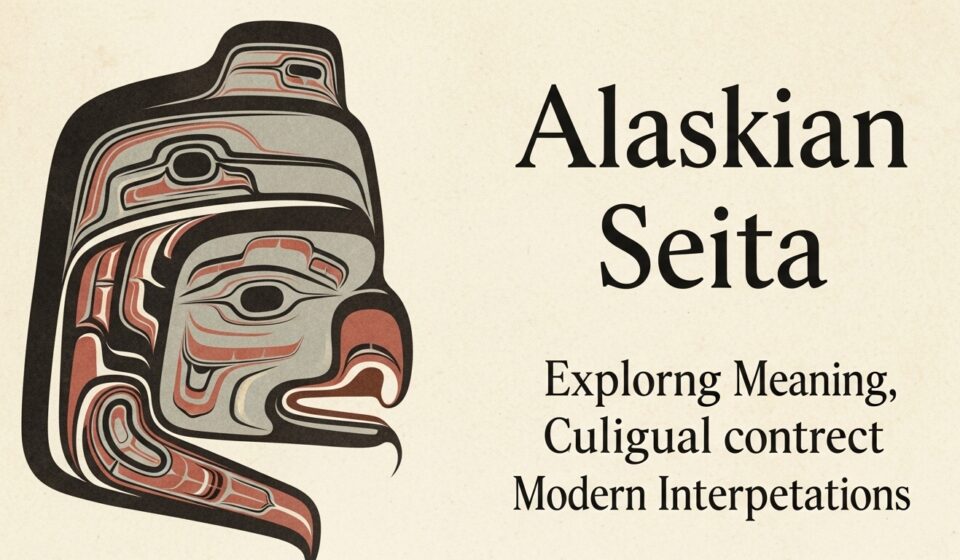
Alaskan Seiti is a term that evokes curiosity, blending elements of geography, culture, and symbolic meaning. While not widely recognized in mainstream discourse, Alaskan Seiti can be understood as a concept rooted in northern traditions and interpretations of sacred or significant natural objects. The term suggests a connection between the rugged landscapes of Alaska and deeper cultural or spiritual meanings associated with nature.
In today’s world, with growing interest in indigenous knowledge and environmental awareness, Alaskan Seiti can be explored as a symbolic representation of the relationship between humans and the natural environment. It reflects the idea that landscapes are not just physical spaces but also carriers of cultural identity and meaning.
The Meaning and Origins of Alaskan Seiti
The term “seiti” is believed to have origins in Northern European or Arctic cultural traditions, particularly among indigenous groups, where it may refer to sacred stones, landmarks, or natural formations that hold spiritual significance. When combined with “Alaskan,” the phrase Alaskan Seiti takes on a localized meaning tied to the landscapes and cultural narratives of Alaska.
This interpretation highlights the importance of natural features as more than just geological formations. In many traditions, such features are seen as symbols of guidance, protection, or connection to ancestral heritage.
Linguistic Interpretation of Alaskan Seiti
From a linguistic perspective, Alaskan Seiti combines a geographical identifier with a culturally significant term. This combination creates a phrase that is both descriptive and symbolic, making it suitable for various interpretations.
Cultural Significance of Alaskan Seiti
Culturally, Alaskan Seiti can represent the deep respect that indigenous communities have for nature. It reflects traditions in which certain locations or objects are considered sacred and treated with reverence.
Alaskan Seiti in Indigenous Contexts
In indigenous cultures of the Arctic and sub-Arctic regions, natural elements often carry spiritual and cultural meaning. While the exact use of the term Alaskan may vary, the concept aligns with practices that honor specific natural landmarks.
These landmarks may serve as meeting places, markers of historical events, or sites for rituals. The idea behind Alaskan Seiti emphasizes the importance of maintaining a connection to the land and its history.
Spiritual Role of Alaskan Seiti
The spiritual aspect of Alaskan lies in its association with sacred spaces. These spaces are often believed to hold energy or significance that connects individuals to their heritage.
Community Connection and Alaskan Seiti
Such concepts also play a role in strengthening community bonds. Shared respect for these sites fosters a sense of unity and cultural continuity.
Natural Landscapes and Alaskan Seiti
Alaska is known for its vast and diverse landscapes, including mountains, forests, rivers, and tundra. These environments provide a fitting backdrop for the concept of Alaskan.
Natural formations such as large stones, cliffs, or unique land features may be interpreted as symbols of stability, guidance, or resilience. These interpretations align with the broader idea of finding meaning in the natural world.
Environmental Features Associated with Alaskan Seiti
The following table highlights common natural elements that may be associated with the concept:
| Feature | Description | Symbolic Meaning |
|---|---|---|
| Rock Formations | Large or uniquely shaped stones | Strength and permanence |
| Mountains | Elevated landforms | Guidance and perspective |
| Rivers | Flowing water bodies | Life and continuity |
| Forests | Dense tree-covered areas | Growth and connection |
These elements contribute to the broader understanding of Alaskan as a symbol of natural and cultural harmony.
Modern Interpretations of Alaskan Seiti
In contemporary contexts, Alaskan can be interpreted in various ways. It may serve as a metaphor for environmental awareness, cultural preservation, or personal reflection.
As people seek deeper connections with nature, concepts like Alaskan gain relevance. They encourage individuals to view the environment as more than just a resource, emphasizing respect and sustainability.
Alaskan Seiti in Environmental Awareness
Environmental movements often highlight the importance of preserving natural landscapes. Alaskan aligns with this perspective by symbolizing the value of untouched and respected environments.
Alaskan Seiti in Personal Reflection
On a personal level, Alaskan can represent a point of grounding or reflection. It may symbolize a place or idea that provides stability and meaning.
Cultural Preservation and Alaskan
Preserving cultural heritage is an important aspect of understanding concepts like Alaskan. Indigenous knowledge and traditions provide valuable insights into sustainable living and environmental stewardship.
Efforts to document and protect these traditions ensure that they are not lost over time. Alaskan can be seen as part of this broader effort to maintain cultural identity.
Role of Education in Preserving Alaskan Seiti
Education plays a key role in raising awareness about cultural concepts. By learning about ideas like Alaskan, individuals can develop a deeper appreciation for diverse perspectives.
Challenges in Cultural Preservation
Modernization and environmental changes pose challenges to preserving traditional knowledge. Addressing these challenges requires collaboration and respect for indigenous communities.
Comparative Analysis of Similar Concepts to Alaskan
To better understand Alaskan, it is helpful to compare it with similar concepts from other cultures. The table below provides an overview:
| Concept | Region | Similarity to Alaskan |
|---|---|---|
| Sacred Stones | Northern Europe | Spiritual significance of objects |
| Totem Sites | North America | Cultural and symbolic landmarks |
| Shinto Shrines | Japan | Connection to nature and spirituality |
| Dreamtime Sites | Australia | Cultural and ancestral importance |
This comparison highlights the universal nature of connecting cultural meaning to natural elements.
Challenges and Misinterpretations of Alaskan Seiti
As with many cultural concepts, Alaskan Seiti may be subject to misinterpretation or oversimplification. Without proper context, its meaning can be misunderstood or misrepresented.
Respecting the origins and significance of such terms is essential for maintaining their integrity.
Avoiding Cultural Misunderstanding
Understanding the cultural background of Alaskan helps prevent misinterpretation. It is important to approach such concepts with sensitivity and respect.
Balancing Modern Use and Tradition
While modern interpretations can expand the relevance of Alaskan, they should not overshadow its traditional significance.
Future Relevance of Alaskan
The concept of Alaskan is likely to remain relevant as interest in environmental sustainability and cultural heritage continues to grow. Its symbolic meaning can inspire new ways of thinking about the relationship between humans and nature.
As global awareness increases, concepts like Alaskan can contribute to conversations about conservation and cultural respect.
Emerging Trends Supporting Alaskan
Trends such as eco-tourism, cultural education, and sustainability initiatives align with the principles represented by Alaskan.
Long-Term Impact of Alaskan Seiti
In the long term, Alaskan can serve as a reminder of the importance of preserving both natural environments and cultural traditions.
Conclusion
Alaskan Seiti represents a meaningful intersection of nature, culture, and symbolism. Its roots in northern traditions and its connection to the landscapes of Alaska make it a compelling concept for exploration.
By understanding and respecting its significance, individuals can gain a deeper appreciation for the relationship between humans and the natural world. As interest in sustainability and cultural heritage continues to grow, Alaskan stands as a symbol of harmony, respect, and enduring connection.