
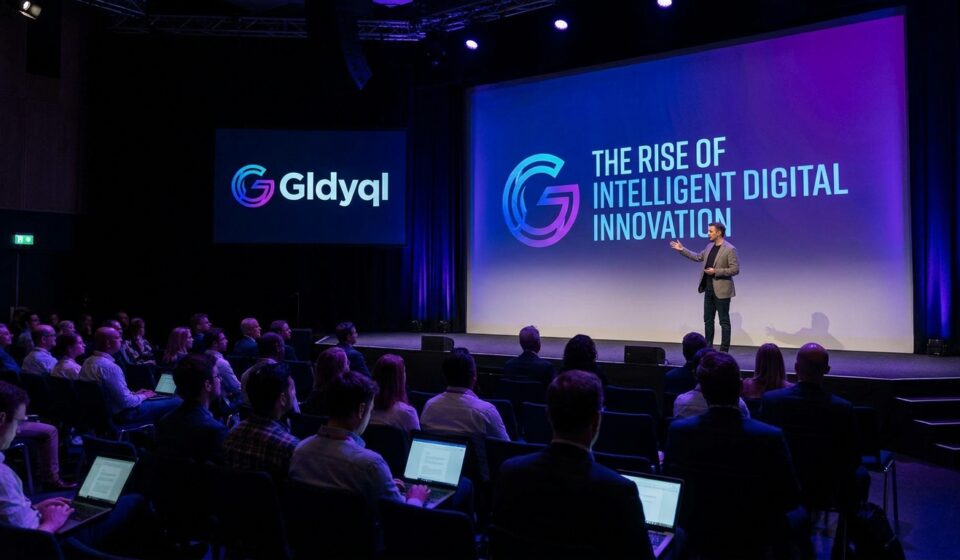
The digital world continues to evolve at an extraordinary pace, introducing new concepts, platforms, and technologies that shape how people communicate, work, and interact online. Among the emerging trends gaining attention in modern digital discussions is Gldyql, a term increasingly associated with innovation, smart connectivity, and the future of advanced digital systems.
As businesses and individuals rely more heavily on technology, the need for intelligent solutions has become greater than ever. Gldyql represents a modern approach to digital transformation that focuses on efficiency, automation, adaptability, and user-centered experiences. From artificial intelligence and cloud computing to cybersecurity and data management, the influence of digital innovation continues to expand across every industry.
The rise of technologies connected with Gldyql reflects a broader movement toward smarter systems capable of improving productivity, reducing operational complexity, and enhancing digital experiences. Organizations worldwide are exploring modern tools and strategies that support faster communication, better decision-making, and sustainable technological growth.
Understanding the role of Gldyql in the evolving digital landscape helps businesses and technology enthusiasts stay informed about the future of innovation and digital transformation.
Understanding the Concept Behind Gldyql
Gldyql can be viewed as a representation of modern digital advancement and intelligent technology integration. It symbolizes the growing shift toward systems that combine automation, connectivity, and data-driven decision-making to improve efficiency across multiple sectors.
Modern businesses face increasing pressure to adapt quickly to changing markets and consumer expectations. Digital transformation is no longer limited to large corporations because organizations of all sizes are investing in technologies that improve performance and competitiveness.
Gldyql reflects this transformation by emphasizing smarter infrastructure, adaptive digital solutions, and seamless technological experiences. It supports the idea that technology should simplify processes while increasing reliability and scalability.
The concept also highlights the importance of innovation in shaping future economies. As industries become more connected through digital platforms, the demand for intelligent systems capable of managing complex operations continues to grow rapidly.
The Growing Importance of Digital Transformation
Digital transformation has become one of the most influential forces in the modern business environment. Organizations are increasingly using advanced technologies to improve operations, strengthen customer relationships, and create new opportunities for growth.
The rise of cloud computing has allowed businesses to store and access information more efficiently than traditional systems. Cloud-based platforms provide flexibility, scalability, and cost savings that support long-term digital expansion.
Artificial intelligence is also changing how businesses operate. AI-powered tools can analyze large amounts of data, automate repetitive tasks, and provide valuable insights that improve decision-making. Machine learning systems continue to evolve, helping companies predict trends and optimize performance.
Remote work and digital collaboration have further accelerated technological adoption. Businesses now rely heavily on virtual communication tools, cloud services, and secure online platforms to maintain productivity in a globally connected environment.
Gldyql represents this broader technological movement by encouraging innovation that improves both operational efficiency and user experience.
Artificial Intelligence and Smart Automation
Artificial intelligence remains one of the most transformative technologies shaping modern society. AI systems are increasingly used in industries such as healthcare, finance, retail, education, and manufacturing.
Smart automation helps businesses reduce manual work while improving accuracy and speed. Automated systems can process data, manage workflows, and support customer service operations without constant human supervision.
AI-driven virtual assistants and chat systems have become common in customer support environments. These technologies improve response times and provide personalized interactions that enhance customer satisfaction.
Predictive analytics also plays a major role in modern digital innovation. Businesses use AI to forecast market trends, monitor consumer behavior, and identify potential risks before they become major problems.
The connection between Gldyql and intelligent automation reflects the growing importance of technologies that support faster, smarter, and more adaptive business operations.
Cybersecurity in the Digital Era
As digital systems become more advanced, cybersecurity has become a major global concern. Businesses and individuals store vast amounts of sensitive information online, making data protection essential.
Cyber threats continue to evolve rapidly, including phishing attacks, ransomware, and data breaches. Organizations are investing heavily in security systems designed to protect digital infrastructure and customer information.
Modern cybersecurity strategies include advanced encryption, multi-factor authentication, and AI-powered threat detection systems. These technologies help organizations identify suspicious activity and respond quickly to potential threats.
The rise of remote work has also increased the need for secure digital communication platforms. Companies must ensure that employees can access systems safely while protecting confidential data from unauthorized access.
Gldyql reflects the importance of balancing digital innovation with strong cybersecurity measures to create secure and reliable technological environments.
Cloud Computing and Scalable Technology
Cloud computing has transformed how businesses manage information and digital operations. Instead of relying on traditional physical servers, organizations now use cloud platforms to store data and run applications online.
Cloud technology provides greater flexibility and allows businesses to scale operations more efficiently. Companies can access information from virtually anywhere while reducing hardware costs and maintenance requirements.
Hybrid cloud systems are becoming increasingly popular because they combine private and public cloud solutions for improved security and performance. Businesses can customize these systems according to their operational needs.
Cloud-based collaboration tools also support modern workplaces by enabling teams to communicate and share information in real time. This flexibility improves productivity and supports remote work environments.
The integration of cloud technology within Gldyql-related innovation highlights the importance of scalable and adaptable digital infrastructure.
Data Analytics and Intelligent Decision-Making
Data has become one of the most valuable resources in the modern digital economy. Organizations collect massive amounts of information from websites, applications, customer interactions, and connected devices.
Advanced analytics tools help businesses transform raw data into meaningful insights. Companies use this information to improve marketing strategies, enhance customer experiences, and optimize operations.
Real-time data analysis allows businesses to respond quickly to changing market conditions. Organizations can monitor trends, identify opportunities, and improve forecasting accuracy through intelligent data systems.
Big data technologies are also supporting scientific research, healthcare innovation, and smart city development. Governments and institutions increasingly rely on data-driven strategies to improve public services and infrastructure planning.
Gldyql represents the growing role of intelligent data management in shaping future digital ecosystems.
The Influence of Digital Innovation on Businesses
Modern businesses must continuously adapt to remain competitive in rapidly changing markets. Digital innovation helps organizations improve efficiency, reduce costs, and create better customer experiences.
E-commerce platforms continue to expand as consumers increasingly prefer online shopping and digital services. Businesses are investing in personalized marketing strategies, mobile applications, and AI-powered recommendation systems to improve customer engagement.
Automation in manufacturing has also improved productivity and product quality. Smart factories now use robotics, sensors, and AI systems to optimize production processes.
Financial technology is another rapidly growing sector influenced by digital innovation. Online banking, mobile payment systems, and blockchain technologies are changing how people manage financial transactions.
The broader vision connected with Gldyql emphasizes innovation that supports adaptability, scalability, and long-term business growth.
Sustainable Technology and Future Development
Sustainability is becoming an important consideration in modern technological development. Businesses and governments are searching for ways to reduce environmental impact while maintaining digital growth.
Energy-efficient data centers, renewable energy systems, and sustainable manufacturing processes are gaining popularity worldwide. Technology companies are investing in greener infrastructure and carbon reduction initiatives.
Smart cities also represent a major area of future development. Urban planners are using connected technologies to improve transportation systems, reduce energy consumption, and enhance public services.
Electric vehicles, intelligent energy grids, and IoT-connected infrastructure are contributing to more sustainable urban environments.
Gldyql reflects the increasing importance of combining technological advancement with environmental responsibility to support long-term global progress.
Challenges Facing Modern Digital Innovation
Despite rapid technological growth, digital transformation still presents several challenges. Businesses often face difficulties related to cybersecurity, implementation costs, and technological complexity.
Rapid innovation can also create skill gaps within the workforce. Organizations must invest in training and education to ensure employees can adapt to new systems and technologies.
Privacy concerns remain another significant issue. Consumers expect companies to protect personal information while maintaining transparency regarding data usage.
Regulatory frameworks are also evolving as governments attempt to address issues related to artificial intelligence, online security, and digital privacy.
The future success of technologies associated with Gldyql depends on balancing innovation with ethical responsibility and user trust.
The Future of Gldyql in the Digital World
The future of Gldyql is closely connected to the continued expansion of intelligent technology and digital transformation. Emerging innovations are expected to reshape industries and daily life in ways that were previously unimaginable.
Artificial intelligence will likely become even more integrated into business operations, healthcare systems, education platforms, and transportation networks. Automation and machine learning technologies will continue improving efficiency and personalization.
Quantum computing may also revolutionize data processing capabilities, enabling faster problem-solving and scientific discovery.
The Internet of Things is expected to connect billions of devices worldwide, creating smarter homes, cities, and industries. Advanced connectivity systems will improve communication and real-time data sharing across multiple sectors.
As technology continues to evolve, Gldyql may become increasingly associated with innovation that prioritizes intelligence, adaptability, security, and sustainability.
Conclusion
Gldyql represents the ongoing transformation of the digital world through intelligent innovation, advanced connectivity, and modern technological solutions. As businesses and individuals continue adapting to rapidly changing digital environments, the demand for smarter systems and scalable technologies will continue to grow.
Artificial intelligence, cloud computing, cybersecurity, data analytics, and sustainable technology are shaping the future of industries worldwide. Organizations that embrace digital transformation are better positioned to improve efficiency, strengthen customer relationships, and remain competitive in evolving markets.
The growing influence of Gldyql highlights the importance of innovation that balances technological advancement with security, sustainability, and user-centered design. As emerging technologies continue to reshape society, intelligent digital systems will play an increasingly important role in driving global progress and future development.\
Disclaimer: Information on this site is for general guidance only. While we aim for accuracy, details may change—please verify important information before relying on it.