
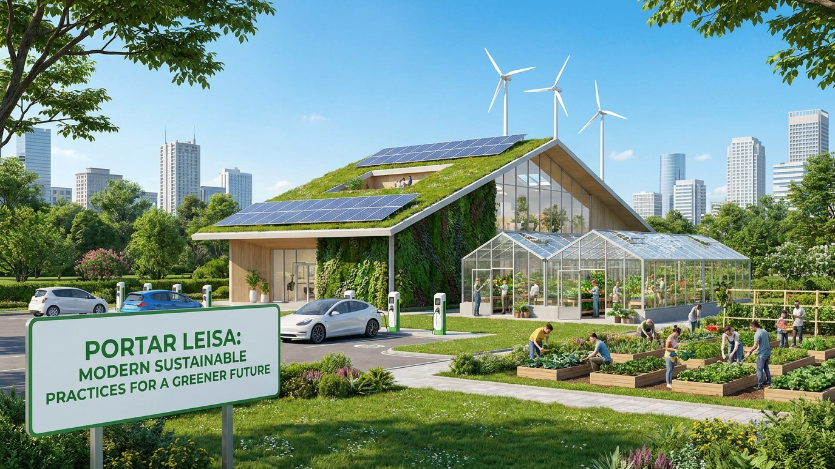
Portar Leisa: Modern Sustainable Practices for a Greener Future

Table of Contents
ToggleSustainability has become one of the most important global priorities in recent years, and the concept of Portar Leisa represents a modern approach to responsible living, environmental awareness, and long-term ecological balance. As industries continue to evolve and environmental concerns grow, sustainable practices are no longer optional. Businesses, governments, and individuals are now adopting smarter strategies to reduce waste, conserve energy, and protect natural resources.
Portar Leisa is closely connected to the idea of combining innovation, efficiency, and environmental responsibility. It reflects the growing need for sustainable systems that support both economic development and environmental protection. From renewable energy and eco-friendly construction to sustainable agriculture and ethical consumer behavior, Portar Leisa highlights the importance of creating a balanced relationship between human progress and the natural world.
This article explores the meaning of Portar Leisa, its importance in modern society, the latest sustainable innovations, and how individuals and organizations can contribute to a greener future.
Understanding the Concept of Portar Leisa
Portar Leisa can be understood as a framework for sustainable progress that combines environmental awareness with modern innovation. It emphasizes the need for responsible practices that improve quality of life without damaging natural ecosystems.
The concept is built around several key principles:
Environmental Responsibility
Environmental protection is a major foundation of Portar Leisa. This includes reducing pollution, conserving water, protecting biodiversity, and lowering greenhouse gas emissions.
Efficient Resource Management
Using resources wisely is essential for long-term sustainability. Portar Leisa encourages energy efficiency, waste reduction, and smarter production methods.
Social and Economic Balance
Sustainability is not limited to environmental concerns alone. Portar Leisa also promotes ethical business practices, fair labor standards, and economic systems that support community development.
By integrating these principles, Portar Leisa represents a forward-thinking model for sustainable living and responsible growth.
Why Portar Leisa Matters Today
Global environmental challenges continue to increase due to climate change, industrialization, and overconsumption of natural resources. Portar Leisa offers practical solutions for addressing these issues while supporting economic progress.
Climate Change and Carbon Reduction
Extreme weather conditions, rising sea levels, and increasing temperatures are creating urgent environmental concerns worldwide. Sustainable systems inspired by Portar Leisa help reduce carbon emissions through renewable energy and energy-efficient technologies.
Growing Consumer Awareness
Modern consumers are increasingly supporting environmentally responsible businesses. Many people now prefer products made from sustainable materials and companies that follow ethical production practices.
Long-Term Economic Benefits
Sustainable systems often reduce operational costs over time. Energy-efficient buildings, renewable energy systems, and waste reduction strategies can improve financial performance while protecting the environment.
Protection of Natural Resources
Natural resources such as freshwater, forests, and fossil fuels are limited. Portar Leisa encourages conservation methods that help preserve these resources for future generations.
Renewable Energy and Portar Leisa
Renewable energy plays a major role in sustainable development and aligns closely with the principles of Portar Leisa.
Solar Energy Innovation
Solar power continues to expand worldwide due to improvements in technology and affordability. Modern solar systems allow homes and businesses to generate clean electricity while reducing dependence on fossil fuels.
Recent solar innovations include:
- Flexible solar panels
- Smart solar batteries
- Solar roof tiles
- Portable solar charging systems
These advancements support cleaner and more sustainable energy production.
Wind Energy Development
Wind energy has become one of the fastest-growing renewable energy sources globally. Offshore wind farms are especially effective because they capture stronger and more consistent wind patterns.
Modern turbine technology is improving energy efficiency while lowering maintenance costs.
Geothermal and Hydropower Systems
Hydropower remains an important source of renewable electricity. Geothermal systems also provide sustainable heating and energy generation by using underground heat sources.
Together, these renewable technologies help support the sustainable goals associated with Portar Leisa.
Sustainable Agriculture and Food Production
Agriculture significantly impacts environmental health. Traditional farming methods can contribute to soil degradation, pollution, and excessive water use. Portar Leisa encourages more sustainable food production systems.
Organic Farming Methods
Organic agriculture avoids harmful chemicals and supports healthier ecosystems. Consumers are increasingly choosing organic foods due to environmental and health benefits.
Smart Farming Technology
Modern farms now use drones, artificial intelligence, and data analytics to optimize irrigation, monitor crop health, and improve efficiency.
Precision farming reduces waste while increasing productivity.
Vertical Farming Systems
Vertical farming allows crops to be grown indoors using stacked layers and controlled environments. This method requires less land and water compared to traditional farming.
Plant-Based Food Alternatives
Plant-based diets and alternative proteins are becoming more popular because they reduce environmental pressure caused by large-scale livestock farming.
Sustainable agriculture supports food security while protecting natural resources.
The Role of Technology in Portar Leisa
Technology is helping businesses and communities adopt more sustainable practices.
Artificial Intelligence for Sustainability
Artificial intelligence helps organizations improve efficiency, reduce waste, and manage resources more effectively.
Examples include:
- Smart energy management systems
- Automated recycling technologies
- Predictive maintenance for industrial equipment
- AI-powered transportation optimization
These technologies help lower environmental impact while improving productivity.
Smart Cities and Connected Systems
Smart cities use digital technologies and IoT devices to improve urban sustainability. Connected systems help manage traffic flow, reduce energy consumption, and improve waste collection services.
Green Data Centers
As digital services expand, energy-efficient data centers are becoming increasingly important. Sustainable data centers use renewable energy and advanced cooling systems to minimize environmental impact.
Technology innovation continues to strengthen the principles of Portar Leisa across industries.
Sustainable Construction and Green Architecture
The construction sector contributes significantly to global carbon emissions. Sustainable building practices are essential for reducing environmental impact.
Eco-Friendly Building Materials
Builders are increasingly using recycled steel, bamboo, reclaimed wood, and low-carbon concrete in construction projects.
These materials reduce waste and support sustainable development goals.
Energy-Efficient Building Design
Modern green buildings are designed to maximize natural lighting and reduce energy consumption.
Common sustainable features include:
- Solar energy systems
- Rainwater harvesting
- Smart climate controls
- Energy-efficient insulation
Sustainable Urban Planning
Cities are investing in public transportation, green spaces, and eco-friendly infrastructure to improve environmental quality and quality of life.
Green architecture supports healthier and more efficient living environments.
Circular Economy and Waste Reduction
Traditional economic systems often create excessive waste. Portar Leisa promotes circular economy models that focus on reusing and recycling materials.
Recycling Innovation
Modern recycling technologies are improving material recovery and reducing landfill waste.
Sustainable Packaging Solutions
Businesses are replacing single-use plastics with biodegradable and recyclable packaging materials.
Consumers increasingly support environmentally friendly packaging practices.
Product Repair and Reuse
Manufacturers are designing products that are easier to repair and maintain, helping reduce unnecessary waste.
Circular economy strategies improve resource efficiency and support environmental sustainability.
Sustainable Transportation and Mobility
Transportation is a major source of greenhouse gas emissions worldwide. Portar Leisa encourages cleaner transportation solutions.
Electric Vehicles
Electric vehicles are becoming more common due to advancements in battery technology and charging infrastructure.
Many governments are supporting EV adoption through incentives and public charging networks.
Public Transportation Systems
Efficient public transportation reduces traffic congestion and lowers carbon emissions.
Cities worldwide are expanding electric bus fleets and rail systems.
Cycling and Walkable Communities
Urban planners are creating safer bike lanes and pedestrian-friendly infrastructure to encourage low-carbon transportation options.
Sustainable Aviation Research
The aviation industry is exploring sustainable aviation fuels and more energy-efficient aircraft technologies.
Transportation innovation is essential for long-term environmental progress.
Corporate Sustainability and Ethical Business Practices
Businesses are increasingly adopting sustainability strategies to improve environmental performance and strengthen brand reputation.
ESG and Sustainable Governance
Environmental, Social, and Governance frameworks help companies measure sustainability performance and ethical business practices.
Responsible Supply Chains
Organizations are focusing on ethical sourcing, fair labor practices, and supplier transparency.
Carbon Neutral Goals
Many companies are setting net-zero emission targets by investing in renewable energy and energy-efficient systems.
Sustainable Product Development
Businesses are redesigning products to reduce waste and improve durability.
Corporate sustainability is becoming a major factor in long-term business success.
Individual Responsibility in Portar Leisa
Individuals play a crucial role in supporting sustainable development.
Reducing Energy Consumption
Using energy-efficient appliances and reducing unnecessary electricity use can significantly lower environmental impact.
Conserving Water
Simple actions such as fixing leaks and using water-saving fixtures help preserve freshwater resources.
Minimizing Waste
Recycling, composting, and reducing single-use plastics contribute to cleaner communities.
Supporting Sustainable Brands
Consumers can encourage sustainability by choosing environmentally responsible products and businesses.
Small actions taken by millions of people can create meaningful global change.
Challenges Facing Sustainable Development
Despite significant progress, sustainability efforts still face several obstacles.
High Initial Costs
Renewable energy systems and green infrastructure often require large upfront investments.
Political and Economic Challenges
Different policies and economic priorities can slow international sustainability progress.
Limited Access to Sustainable Technology
Some regions still lack access to renewable energy systems and modern environmental technologies.
Greenwashing Concerns
Certain businesses make misleading environmental claims without implementing genuine sustainability practices.
Overcoming these challenges requires global cooperation and continued innovation.
The Future of Portar Leisa
The future of Portar Leisa is closely connected to innovation, collaboration, and environmental responsibility.
Emerging sustainability trends include:
- Smart energy grids
- Carbon capture technologies
- Green hydrogen energy
- AI-powered environmental monitoring
- Sustainable manufacturing systems
- Zero-waste business models
As technology advances, sustainable solutions are expected to become more affordable and widely adopted across industries.
Conclusion
Portar Leisa represents a modern vision for sustainable growth, environmental responsibility, and long-term ecological balance. As climate challenges and resource limitations continue to affect societies worldwide, sustainable practices are becoming increasingly important for businesses, governments, and individuals.
Renewable energy, green architecture, ethical business strategies, sustainable agriculture, and technological innovation are all contributing to a cleaner and healthier future. The principles of Portar Leisa encourage smarter resource management, reduced waste, and responsible economic development.
Although sustainability challenges remain, global awareness and innovation are driving positive change. By adopting environmentally responsible practices today, society can build stronger communities, protect natural ecosystems, and create a more sustainable future for generations to come.
Disclaimer: Information on this site is for general guidance only. While we aim for accuracy, details may change—please verify important information before relying on it.
Abbas Ali
I am Abbas Ali, with over 7 years of experience in SEO and blogging. Throughout my journey, I’ve focused on transforming SEO strategies into real, measurable growth in search visibility and traffic. If you’re interested in improving rankings, increasing organic reach, or building strong, high-authority backlinks, feel free to get in touch.