
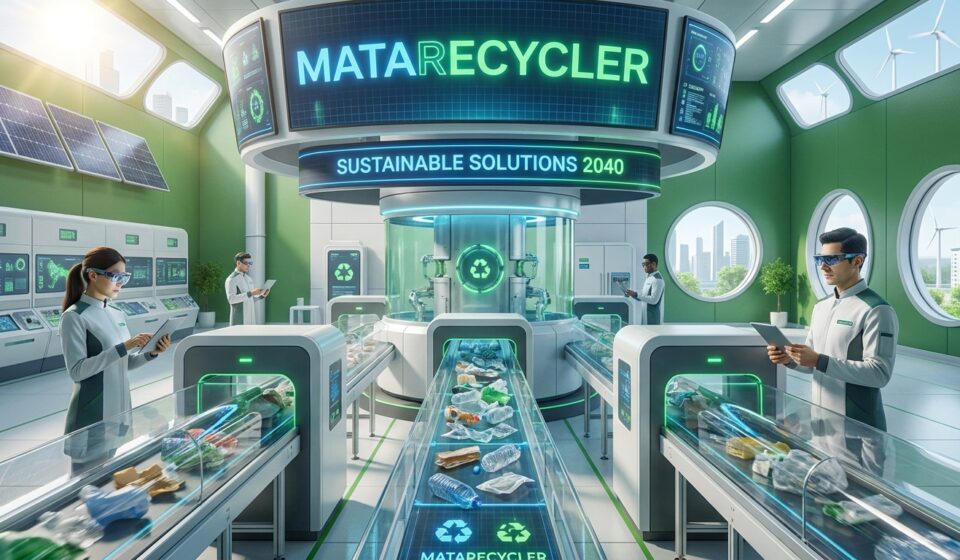
The global conversation surrounding sustainability and environmental protection has grown stronger over the past decade. Governments, businesses, and individuals are increasingly searching for practical ways to reduce waste, conserve resources, and minimize environmental damage. Among the many innovations emerging in the recycling and sustainability sector, Matarecycler has attracted attention as a concept associated with smarter recycling systems, modern waste management, and environmentally responsible practices.
As industries continue to produce large amounts of waste and consumers become more aware of environmental challenges, recycling technologies and systems are evolving rapidly. Traditional waste disposal methods are no longer sufficient to handle the growing volume of materials generated worldwide. Modern recycling approaches focus not only on waste reduction but also on resource recovery, energy efficiency, and long-term sustainability. Matarecycler represents this shift toward advanced recycling strategies designed to create cleaner and more efficient systems for the future.
Recycling has become one of the most important pillars of environmental responsibility. Proper recycling reduces landfill waste, decreases pollution, conserves raw materials, and lowers greenhouse gas emissions. However, recycling systems themselves must also improve to meet the needs of modern society. Innovations connected to Matarecycler highlight the importance of smarter technology, better waste sorting, and sustainable processing methods that support environmental goals while improving efficiency.
The Growing Need for Advanced Recycling Systems
The world produces an enormous amount of waste every year, including plastic, metal, paper, electronic waste, and industrial materials. Urbanization, industrial growth, and rising consumer demand have significantly increased the pressure on waste management systems across the globe. Many traditional disposal methods contribute to environmental degradation, overflowing landfills, and pollution in oceans and ecosystems.
Advanced recycling systems are becoming essential because older methods often fail to recover valuable materials effectively. In many regions, recyclable products still end up in landfills due to poor sorting processes, lack of infrastructure, or limited public awareness. This creates unnecessary environmental damage and wastes potentially reusable resources.
Matarecycler represents a modern perspective on recycling by emphasizing efficiency, sustainability, and innovation. The concept aligns with growing efforts to improve how materials are collected, processed, and reused within the circular economy. Instead of treating waste as useless material, modern recycling systems view discarded products as valuable resources that can re-enter production cycles.
As environmental concerns continue to rise, governments and industries are investing heavily in technologies capable of improving recycling outcomes. Smarter recycling systems reduce operational costs, increase recovery rates, and support broader sustainability objectives.
Understanding the Circular Economy
One of the key ideas connected to modern recycling innovations like Matarecycler is the concept of the circular economy. Unlike traditional economic systems based on producing, consuming, and discarding materials, the circular economy focuses on keeping resources in use for as long as possible.
In a circular economy, products are designed to be repaired, reused, recycled, or repurposed rather than thrown away after a single use. This approach reduces pressure on natural resources while minimizing waste and pollution. Recycling systems play a central role in making circular economic models successful.
Matarecycler reflects the growing emphasis on sustainability by supporting the idea that waste materials can become valuable inputs for future manufacturing processes. Metals, plastics, paper, glass, and electronic components all contain materials that can be recovered and reused when proper recycling systems are in place.
The circular economy also encourages businesses to rethink product design and packaging. Companies increasingly seek recyclable materials, environmentally friendly production methods, and sustainable supply chains that reduce waste generation from the beginning.
Consumers also contribute to the circular economy by choosing sustainable products, separating recyclable materials correctly, and supporting environmentally responsible businesses. Public participation is essential because even the most advanced recycling systems rely on proper waste sorting and responsible disposal habits.
The Environmental Benefits of Efficient Recycling
Efficient recycling systems provide numerous environmental advantages that directly support global sustainability efforts. One of the most significant benefits is the reduction of landfill waste. Landfills occupy large areas of land and often create long-term environmental problems, including soil contamination, methane emissions, and water pollution.
Recycling reduces the amount of waste sent to landfills by recovering valuable materials for reuse. This helps conserve natural landscapes while decreasing the environmental impact of waste disposal. Systems associated with Matarecycler contribute to these goals by promoting smarter and more efficient material recovery processes.
Energy conservation is another important benefit of recycling. Manufacturing products from recycled materials often requires significantly less energy than producing them from raw resources. For example, recycling aluminum saves a substantial amount of energy compared to mining and processing new aluminum ore.
Recycling also reduces greenhouse gas emissions linked to industrial production and waste decomposition. By lowering energy consumption and minimizing landfill use, advanced recycling systems support efforts to combat climate change and improve air quality.
Water conservation is equally important. Industrial extraction and manufacturing processes often consume large amounts of water. Recycling materials reduces the need for resource extraction, helping preserve freshwater supplies and reduce environmental strain.
Protecting ecosystems is another major advantage of sustainable recycling systems. Improper waste disposal contributes to pollution in oceans, rivers, forests, and wildlife habitats. Plastic waste, electronic waste, and toxic materials can severely damage ecosystems and threaten biodiversity. Better recycling practices help reduce these environmental risks.
Technology and Innovation in Modern Recycling
Technology is transforming the recycling industry in remarkable ways. Traditional recycling systems often relied heavily on manual labor and basic sorting methods, which limited efficiency and accuracy. Modern systems increasingly use automation, artificial intelligence, robotics, and advanced sensors to improve material recovery.
Matarecycler reflects the broader movement toward intelligent recycling solutions capable of handling complex waste streams more effectively. Automated sorting systems can identify different materials quickly and accurately, improving recycling rates while reducing contamination.
Artificial intelligence plays a growing role in recycling facilities by analyzing materials and optimizing sorting processes. Machine learning systems can recognize specific types of plastics, metals, and packaging materials with impressive precision. This improves efficiency while reducing operational costs.
Robotic recycling systems are also becoming more common. Robots equipped with cameras and sensors can separate recyclable materials faster than manual workers in some environments. These systems improve safety and productivity while helping facilities process larger volumes of waste.
Smart recycling bins and digital waste management systems are additional innovations shaping the future of recycling. Some systems use sensors to monitor waste levels, optimize collection routes, and improve recycling participation among consumers and businesses.
Data analytics also helps recycling facilities track performance, identify inefficiencies, and improve sustainability outcomes. Better data allows organizations to make informed decisions regarding waste management strategies and resource allocation.
Electronic Waste and the Need for Responsible Recycling
Electronic waste, commonly known as e-waste, has become one of the fastest-growing waste categories worldwide. Smartphones, laptops, televisions, batteries, and other electronic devices contain valuable materials alongside potentially hazardous substances.
Improper disposal of electronic waste can lead to environmental contamination because electronics often contain toxic chemicals and heavy metals. Responsible recycling systems are essential for safely recovering reusable components while preventing harmful pollution.
Matarecycler aligns with the growing need for advanced e-waste management solutions. Modern recycling systems can extract valuable materials such as gold, copper, aluminum, and rare earth elements from discarded electronics. Recovering these materials reduces the need for environmentally damaging mining operations.
Consumer awareness about electronic waste is also increasing. Many individuals now recognize the importance of recycling old devices rather than discarding them improperly. Businesses and governments are implementing e-waste collection programs to encourage responsible disposal practices.
The growth of electronic consumption worldwide means that e-waste recycling will remain a critical environmental challenge in the coming years. Innovations in recycling technology will play an important role in managing this issue sustainably.
Recycling and Corporate Sustainability
Businesses across various industries are placing greater emphasis on sustainability and environmental responsibility. Consumers increasingly prefer companies that demonstrate commitment to eco-friendly practices, including waste reduction and recycling initiatives.
Matarecycler reflects the broader corporate shift toward sustainable operations and resource management. Companies now recognize that effective recycling programs can improve brand reputation while reducing operational costs and environmental impact.
Many businesses are adopting zero-waste strategies designed to minimize landfill contributions and maximize material recovery. Recycling systems support these efforts by helping companies reuse production materials and reduce unnecessary waste.
Sustainable packaging has also become a major focus. Businesses increasingly use recyclable or biodegradable materials to reduce environmental harm and meet consumer expectations. Improved recycling infrastructure is necessary to ensure these materials are processed effectively after use.
Corporate sustainability reporting has become more common as investors and consumers demand greater transparency regarding environmental practices. Recycling metrics often play an important role in these reports because waste reduction directly supports sustainability goals.
Collaboration between businesses, governments, and recycling organizations is essential for building efficient recycling ecosystems. Shared responsibility helps improve collection systems, public education, and recycling infrastructure.
Public Awareness and Recycling Education
Public participation is one of the most important factors influencing recycling success. Even advanced recycling systems cannot operate effectively if consumers fail to separate waste properly or understand recycling guidelines.
Education campaigns play a crucial role in encouraging responsible recycling behavior. Many people remain uncertain about which materials can be recycled or how to dispose of certain products correctly. Confusion often leads to contamination that reduces recycling efficiency.
Matarecycler highlights the importance of combining technology with public awareness to create sustainable waste management systems. Clear labeling, educational programs, and accessible recycling facilities all contribute to better recycling outcomes.
Schools, businesses, and community organizations increasingly promote environmental education to encourage sustainable habits from an early age. Teaching individuals about recycling, waste reduction, and environmental responsibility helps create long-term positive change.
Social media and digital platforms have also become valuable tools for spreading environmental awareness. Educational content, sustainability campaigns, and online recycling resources help reach wider audiences and encourage responsible behavior.
Consumer choices significantly impact recycling systems as well. Supporting products made from recycled materials helps strengthen demand for sustainable manufacturing and resource recovery industries.
Challenges Facing the Recycling Industry
Despite significant progress, the recycling industry still faces several important challenges. One major issue is contamination, which occurs when non-recyclable materials are mixed with recyclable waste. Contaminated recycling streams can reduce efficiency and increase processing costs.
Another challenge involves the complexity of modern products and packaging. Many items contain multiple materials that are difficult to separate during recycling. This problem is especially common with electronics, composite packaging, and certain plastics.
Market fluctuations also affect recycling operations. The value of recyclable materials can change depending on global demand, commodity prices, and manufacturing trends. Economic instability sometimes makes recycling less financially attractive for certain materials.
Infrastructure limitations remain a problem in many regions. Some communities lack adequate recycling facilities, collection systems, or public education programs. Expanding recycling access requires investment from governments, businesses, and environmental organizations.
Plastic recycling continues to present particular difficulties. While many plastics are technically recyclable, actual recycling rates remain relatively low due to sorting challenges and processing limitations. Improving plastic recycling technology is therefore a major priority for the industry.
Climate change and environmental regulations are also influencing the recycling sector. Governments increasingly introduce stricter environmental policies aimed at reducing waste and promoting sustainability. Recycling systems must continue adapting to meet these evolving standards.
The Future of Sustainable Recycling
The future of recycling will likely involve greater integration of technology, automation, and sustainability-focused innovation. Systems associated with Matarecycler represent the growing demand for smarter waste management solutions capable of supporting long-term environmental goals.
Artificial intelligence, robotics, and advanced material science are expected to improve recycling efficiency significantly in the coming years. These technologies may help overcome existing challenges related to sorting accuracy, contamination, and material recovery.
Biodegradable materials and sustainable product design may also reduce waste generation over time. Manufacturers increasingly seek alternatives to non-recyclable packaging and environmentally harmful materials.
Governments around the world are likely to continue strengthening environmental regulations aimed at improving recycling rates and reducing landfill dependence. Public pressure for sustainable policies will remain an important driver of change.
The expansion of renewable energy and green technology industries may create additional demand for recycled materials. Metals and components recovered through recycling can support sustainable manufacturing while reducing reliance on raw resource extraction.
Consumer attitudes are also shifting toward greater environmental responsibility. Younger generations especially tend to prioritize sustainability and eco-friendly products, encouraging businesses to adopt greener practices.
You might also like: Sourthrout: Exploring a Unique Digital Identity
Why Matarecycler Reflects the Future of Environmental Responsibility
Matarecycler represents more than just a recycling concept. It reflects a broader movement toward sustainability, resource efficiency, and environmental innovation. Modern recycling systems are no longer viewed simply as waste disposal methods but as essential components of a healthier and more sustainable global economy.
As environmental challenges continue growing, smarter recycling solutions will become increasingly important for protecting ecosystems, conserving resources, and reducing pollution. Innovations in technology, automation, and material recovery are helping transform recycling into a more efficient and impactful industry.
The success of sustainable recycling depends on cooperation between governments, businesses, communities, and individuals. Public awareness, responsible consumption, and investment in advanced recycling infrastructure all contribute to long-term environmental progress.
Matarecycler symbolizes the evolving vision of waste management in a world focused on sustainability and ecological responsibility. By supporting smarter recycling systems and promoting resource recovery, modern recycling initiatives can help create cleaner cities, healthier ecosystems, and a more sustainable future for generations to come.
Conclusion
Matarecycler represents the growing transformation of the recycling industry toward smarter, cleaner, and more sustainable waste management solutions. As environmental concerns continue to rise worldwide, advanced recycling systems are becoming essential for reducing pollution, conserving natural resources, and supporting long-term ecological balance. Modern recycling is no longer limited to simple waste collection. It now involves technology-driven processes, automation, efficient resource recovery, and environmentally responsible practices that contribute to a circular economy.
The importance of sustainable recycling will only continue to grow as industries, governments, and consumers seek better ways to minimize environmental impact. Innovations connected to Matarecycler demonstrate how technology and environmental awareness can work together to improve recycling efficiency while reducing landfill waste and energy consumption. From electronic waste management to smart sorting systems, the future of recycling is increasingly focused on creating systems that are both effective and sustainable.
Public participation also remains a critical part of successful recycling efforts. Responsible disposal habits, proper waste separation, and support for eco-friendly products all contribute to stronger recycling ecosystems. As awareness increases and technology advances further, recycling systems like Matarecycler may play a significant role in helping societies move toward greener and more sustainable living.
Ultimately, Matarecycler reflects a broader commitment to environmental responsibility, innovation, and sustainable progress. By embracing modern recycling solutions and encouraging smarter waste management practices, communities and industries can contribute to a cleaner future while preserving valuable resources for generations to come.
Frequently Asked Questions
What is Matarecycler?
Matarecycler refers to a modern approach to recycling and waste management that focuses on sustainability, resource recovery, and efficient recycling practices. It represents the growing movement toward smarter recycling technologies and environmentally responsible systems.
Why is recycling important for the environment?
Recycling helps reduce landfill waste, conserve natural resources, save energy, and lower pollution levels. It also reduces greenhouse gas emissions and supports environmental sustainability by reusing valuable materials instead of extracting new raw resources.
How does modern recycling technology improve efficiency?
Modern recycling technology uses automation, artificial intelligence, robotics, and advanced sorting systems to identify and process recyclable materials more accurately and efficiently. These technologies help reduce contamination and improve material recovery rates.
What is the circular economy in recycling?
The circular economy is an economic model focused on reusing, repairing, and recycling materials instead of discarding them after use. It aims to keep resources in circulation for as long as possible while reducing waste and environmental impact.
Can electronic waste be recycled?
Yes, electronic waste can be recycled through specialized e-waste recycling systems. Valuable materials such as metals and electronic components can be recovered and reused, while harmful substances are safely managed to reduce environmental risks.
What challenges does the recycling industry face?
The recycling industry faces challenges such as contamination, complex product packaging, limited infrastructure, fluctuating material prices, and difficulties in processing certain plastics and electronic waste materials.
How can individuals support sustainable recycling?
Individuals can support sustainable recycling by separating recyclable waste correctly, reducing unnecessary consumption, reusing products when possible, and choosing environmentally friendly products and packaging.
What role does technology play in future recycling systems?
Technology will continue improving recycling systems through smart automation, better material sorting, data analysis, and artificial intelligence. These innovations can increase recycling efficiency while reducing waste and environmental damage.
Why are businesses investing in recycling initiatives?
Businesses invest in recycling initiatives to reduce environmental impact, improve sustainability performance, lower waste management costs, and meet growing consumer demand for environmentally responsible practices.
What is the future of sustainable recycling?
The future of sustainable recycling involves smarter technologies, increased automation, stronger environmental policies, and greater public awareness. Recycling systems are expected to become more efficient, accessible, and integrated into global sustainability efforts.
Disclaimer: Information on this site is for general guidance only. While we aim for accuracy, details may change—please verify important information before relying on it.