
Table of Contents
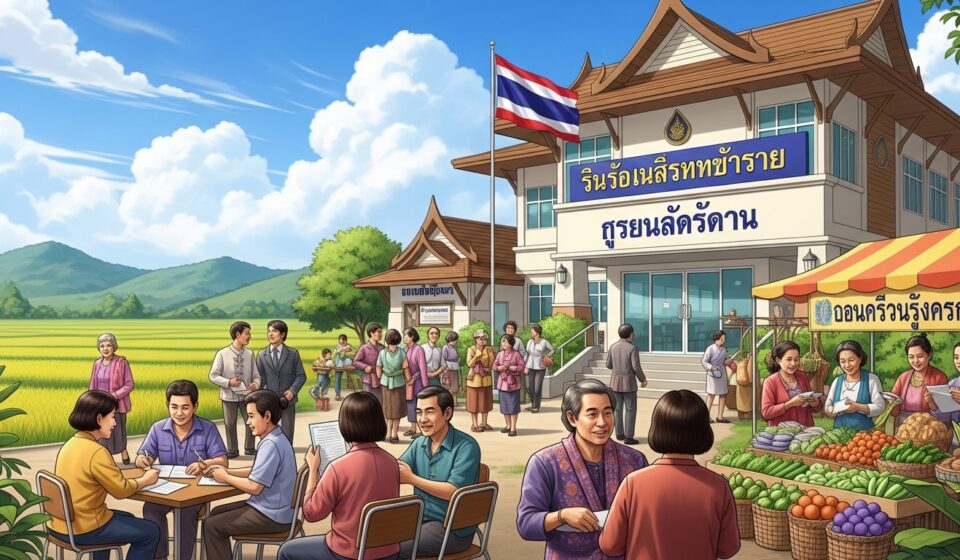
ToggleTumbons (also spelled tambons) are an essential administrative unit in Thailand, functioning as subdistricts within a larger district (amphoe). They play a crucial role in local governance, bridging the gap between provincial authorities and individual villages.
Each tumbon typically consists of several villages, known as mubans, and serves as a focal point for administrative coordination, community development, and local services. While they may seem like simple geographic divisions, tumbons are deeply embedded in Thailand’s social, cultural, and political landscape.
Historical Background of Tumbons
The concept of tumbons dates back to early administrative reforms in Thailand, particularly during the late 19th and early 20th centuries under King Chulalongkorn (Rama V). These reforms aimed to modernize the country’s governance system and create a more organized administrative structure.
Tumbons were introduced as part of a hierarchical system that included provinces (changwat), districts (amphoe), subdistricts (tumbon), and villages (muban). This structure allowed for more efficient governance, tax collection, and communication across regions.
Over time, tumbons evolved from purely administrative units into active centers of local identity and development.
Administrative Structure
Local Governance Bodies
Each tumbon is governed by a local administrative organization, commonly known as the Tambon Administrative Organization (TAO) or องค์การบริหารส่วนตำบล (อบต.) in Thai.
The TAO is responsible for:
- Infrastructure development (roads, water systems)
- Waste management and environmental protection
- Public health initiatives
- Education support and community programs
These organizations are typically led by elected officials, ensuring that local residents have a voice in decision-making processes.
Village Leadership
Within each tumbon, individual villages are overseen by village heads (phu yai ban). These leaders act as intermediaries between the community and the tumbon administration, helping to implement policies and address local concerns.
This multi-layered system allows governance to function effectively at both macro and micro levels.
Cultural Significance of Tumbons
Community Identity
Tumbons are more than administrative units—they represent shared identity and cultural heritage. Residents often identify strongly with their tumbon, which may have its own traditions, festivals, and local customs.
Temples, markets, and communal spaces within a tumbon serve as gathering points for social and religious activities, reinforcing a sense of belonging.
Festivals and Traditions
Many tumbons host unique festivals that reflect local history and beliefs. These events often include traditional music, dance, food, and religious ceremonies, attracting both locals and visitors.
Such celebrations help preserve cultural practices and pass them down to future generations.
Economic Role of Tumbons
Local Economies
Tumbons are central to Thailand’s rural economy. Agriculture is often the primary occupation, with crops such as rice, rubber, and cassava being commonly cultivated.
In addition to farming, many tumbons support small-scale industries, including handicrafts, textiles, and food production.
OTOP Program
One of the most notable economic initiatives involving tumbons is the “One Tambon One Product” (OTOP) program. This government-supported project encourages each tumbon to develop and promote a unique local product.
OTOP has helped boost local economies, create jobs, and increase international recognition of Thai goods, ranging from silk and ceramics to herbal products and processed foods.
Social Development and Public Services
Education and Healthcare
Tumbons play a role in supporting basic education and healthcare services. While larger facilities may be located at the district level, tumbons often host primary schools, health centers, and community clinics.
Local administrations work to improve access to these services, particularly in rural areas.
Community Programs
Various social initiatives are organized at the tumbon level, including:
- Youth development programs
- Elderly care services
- Vocational training workshops
These programs aim to improve quality of life and promote social cohesion within the community.
Environmental Management
Tumbons are increasingly involved in environmental conservation efforts. Local authorities and residents collaborate on initiatives such as:
- Waste reduction and recycling
- Water resource management
- Forest preservation
Given their close connection to natural resources, tumbon communities often take an active role in protecting their environment.
Challenges Facing Tumbons
Urbanization
As Thailand continues to urbanize, many tumbons face challenges related to population shifts. Younger generations often migrate to cities for better opportunities, leaving behind aging populations.
This can impact local economies and reduce the availability of labor for traditional industries.
Resource Limitations
Some tumbons struggle with limited budgets and resources, which can affect their ability to provide services and maintain infrastructure.
Balancing development with sustainability is an ongoing challenge.
Administrative Complexity
While the decentralized system allows for local participation, it can also lead to inefficiencies or overlapping responsibilities between different levels of government.
Efforts are ongoing to improve coordination and streamline processes.
Tumbons in Modern Thailand
Despite these challenges, tumbons remain a vital part of Thailand’s administrative and cultural framework. They continue to adapt to changing conditions while preserving their unique identities.
Technological advancements and government reforms are helping tumbons improve service delivery and connectivity, making them more resilient and responsive to community needs.
Comparison with Other Administrative Systems
Tumbons can be compared to subdistricts or municipalities in other countries. However, their integration with local culture and community life sets them apart.
Unlike purely administrative divisions, tumbons often function as living communities with strong social ties and shared traditions.
Tips for Visitors
For travelers interested in experiencing authentic Thai culture, visiting a tumbon can be highly rewarding. Consider the following:
- Explore local markets and try regional foods
- Attend community festivals if available
- Support local products, especially OTOP goods
- Respect cultural norms and traditions
Engaging with tumbon communities offers a deeper understanding of Thailand beyond major tourist destinations.
The Future of Tumbons
Looking ahead, tumbons are expected to play an increasingly important role in sustainable development and grassroots governance. By empowering local communities and promoting innovation, they can contribute to balanced national growth.
Continued investment in education, infrastructure, and technology will be key to ensuring that tumbons remain vibrant and functional.
Conclusion
Tumbons are a cornerstone of Thailand’s administrative system and a reflection of its rich cultural heritage. They embody the connection between governance and community, serving as hubs of local identity, economic activity, and social development.
Understanding tumbons provides valuable insight into how Thailand functions at the grassroots level. Whether viewed from a political, cultural, or economic perspective, these subdistricts offer a compelling example of how local communities can shape and sustain a nation’s progress.

Abbas Ali
I am Abbas Ali, with over 7 years of experience in SEO and blogging. Throughout my journey, I’ve focused on transforming SEO strategies into real, measurable growth in search visibility and traffic. If you’re interested in improving rankings, increasing organic reach, or building strong, high-authority backlinks, feel free to get in touch.