
Table of Contents
ToggleToastul represents a modern culinary concept associated with comfort food, creativity, evolving dining habits, and contemporary food culture. In today’s fast-changing culinary world, simple dishes are often transformed into highly adaptable and culturally significant meals through innovation, presentation, and global influence. Toastul reflects this evolution by combining tradition with modern food trends, making it a recognizable part of contemporary eating habits.
Food culture has changed dramatically over the past few decades due to globalization, social media, urban lifestyles, and growing interest in culinary experimentation. Meals that were once considered basic or everyday staples are now appreciated for their versatility, nutritional value, and creative potential. Toastul fits naturally into this modern environment because it can adapt to different cuisines, dietary preferences, and presentation styles.
The popularity of modern comfort foods continues to grow as consumers seek meals that are convenient yet flavorful. Toast-based dishes and variations inspired by traditional bread-centered meals have become common in homes, cafés, restaurants, and digital food communities worldwide. Toastul symbolizes this broader culinary movement focused on simplicity, creativity, and accessibility.
The Origins and Evolution of Toast-Based Cuisine
Bread has been one of the most important food staples throughout human history. Ancient civilizations relied heavily on grain cultivation and bread production because it provided nourishment, portability, and long-term storage possibilities.
The practice of toasting bread emerged as a method of preserving freshness and improving texture. Heating bread over fire or hot surfaces created a crisp exterior while enhancing flavor and aroma. Over time, toasted bread became more than a preservation method and evolved into a culinary tradition enjoyed across cultures.
Different societies developed unique interpretations of toast-based meals. Some focused on savory ingredients such as cheese, vegetables, meats, and herbs, while others preferred sweet combinations involving fruits, honey, or spreads.
Toastul reflects this long culinary history while representing a modern reinterpretation of toast-centered dining culture. The concept aligns with contemporary appreciation for customizable meals that combine convenience with creativity.
Ingredients Commonly Associated With Toastul
One of the defining strengths of Toastul is its flexibility regarding ingredients and preparation styles. Modern culinary trends encourage experimentation, allowing individuals to create endless combinations based on taste preferences and dietary requirements.
Bread remains the foundation of most toast-based dishes. Different varieties such as sourdough, whole grain, rye, brioche, and artisan loaves provide unique textures and flavors.
Savory preparations often include ingredients like avocado, eggs, cheese, smoked salmon, mushrooms, tomatoes, herbs, and grilled vegetables. These combinations create balanced meals suitable for breakfast, lunch, or casual dining.
Sweet interpretations may feature fruits, nut butter, chocolate, cinnamon, yogurt, honey, or cream-based toppings. Such combinations appeal to those seeking lighter or dessert-inspired options.
Modern culinary creativity has expanded the range of ingredients even further. Plant-based proteins, international spices, fermented foods, and gourmet sauces are increasingly incorporated into contemporary toast recipes.
The adaptability of Toastul allows it to remain relevant across different culinary cultures and evolving food trends.
Toastul and Contemporary Café Culture
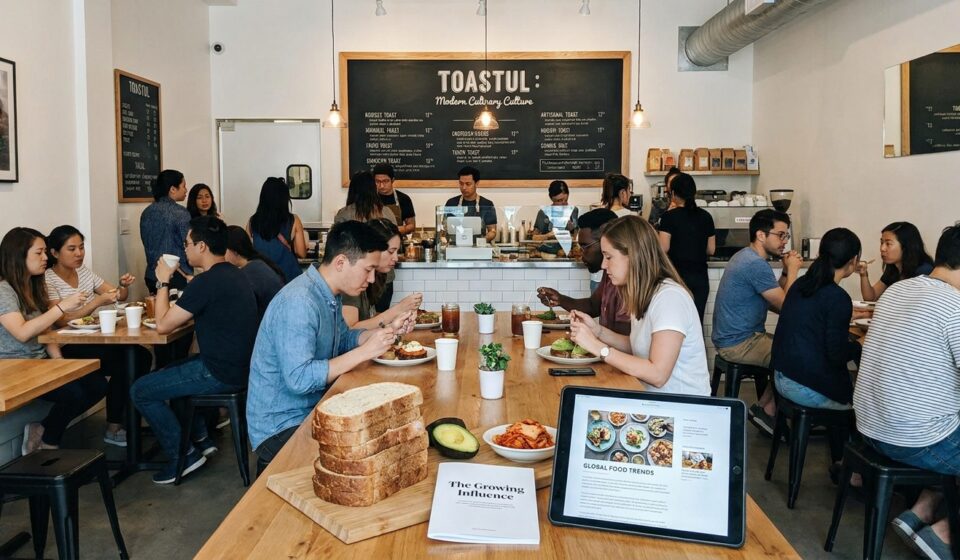
Café culture has experienced significant growth worldwide, especially in urban areas where people increasingly seek relaxed social environments and visually appealing dining experiences.
Toastul aligns closely with modern café culture because toast-based meals are practical, customizable, and visually attractive. Cafés often present toast dishes using fresh ingredients, artistic plating, and innovative flavor combinations designed to appeal to both taste and presentation preferences.
Social media has further amplified the popularity of aesthetically pleasing food. Platforms focused on photography and short-form content have encouraged restaurants and cafés to create meals that are both flavorful and visually engaging.
Avocado toast, artisan bread combinations, and gourmet breakfast plates have become iconic examples of this trend. Consumers increasingly associate such meals with modern lifestyle culture, wellness, and casual sophistication.
Toastul reflects this broader connection between food presentation, digital culture, and evolving dining habits.
Nutritional Aspects of Toastul
Modern consumers are increasingly interested in balanced nutrition and ingredient quality. Toast-based meals can provide a flexible foundation for healthy eating depending on ingredient selection and preparation methods.
Whole grain breads contribute fiber, vitamins, and complex carbohydrates that support sustained energy levels. Protein-rich toppings such as eggs, beans, cheese, or lean meats can further improve nutritional balance.
Fresh vegetables and fruits add antioxidants, vitamins, and natural flavor while enhancing visual appeal. Healthy fats from avocado, olive oil, seeds, and nuts are also commonly incorporated into modern toast preparations.
The adaptability of Toastul makes it suitable for diverse dietary lifestyles including vegetarian, vegan, gluten-free, and high-protein meal plans.
Portion control and ingredient quality remain important factors in nutritional value. Simple and fresh combinations often provide healthier alternatives compared to heavily processed fast food options.
The rise of wellness-focused dining therefore contributes significantly to the ongoing popularity of toast-centered cuisine.
Culinary Creativity and Innovation
Modern food culture values creativity as much as flavor. Chefs and home cooks increasingly experiment with textures, ingredients, and international influences to create innovative dining experiences.
Toastul symbolizes this creative flexibility because it serves as a culinary canvas capable of supporting endless variations. International cuisines frequently inspire modern toast combinations, blending traditional ingredients with contemporary presentation styles.
Mediterranean-inspired versions may include olives, feta cheese, roasted vegetables, and herbs. Asian-inspired variations can incorporate sesame, fermented vegetables, tofu, or spicy sauces. Latin American influences may involve beans, grilled corn, or avocado-based toppings.
Fusion cuisine continues expanding the possibilities of toast-based meals by combining techniques and flavors from multiple cultures.
Presentation also plays a major role in culinary innovation. Modern plating techniques emphasize color contrast, texture layering, and visual balance, turning simple meals into aesthetically refined experiences.
Toastul reflects this growing intersection between creativity, global influence, and modern culinary expression.
Toastul and Digital Food Trends
Digital media has transformed how food trends emerge and spread globally. Social platforms, food blogs, and video-sharing websites allow recipes and dining concepts to gain popularity within very short periods.
Toast-based dishes have become especially successful within digital food culture because they are highly customizable and visually appealing. Bright ingredients, artistic arrangements, and minimalist presentation styles perform well on visual platforms.
Influencers, chefs, and cafés frequently share innovative toast creations online, contributing to the continuous evolution of the trend. This digital exposure encourages experimentation among home cooks and food enthusiasts.
Online recipe communities have also increased accessibility by allowing users to discover new ingredient combinations and preparation methods quickly.
Toastul reflects this digitally connected culinary environment where food culture evolves through creativity, visual storytelling, and global interaction.
Sustainability and Responsible Dining
Sustainability has become an increasingly important topic within modern food culture. Consumers are paying closer attention to ingredient sourcing, food waste reduction, and environmentally responsible dining choices.
Toast-based meals can support sustainability goals because they often rely on simple ingredients and flexible preparation methods. Leftover vegetables, fruits, or proteins can easily be repurposed into creative toast combinations.
Locally sourced bread and seasonal produce further contribute to environmentally conscious dining practices. Many cafés and restaurants now prioritize organic ingredients and sustainable supply chains to align with changing consumer values.
Plant-based toast options have also gained popularity due to growing interest in reducing environmental impact associated with large-scale meat production.
Toastul therefore reflects not only culinary creativity but also the broader movement toward responsible and sustainable food culture.
Toastul in Home Cooking
One reason toast-centered cuisine remains highly popular is its accessibility for home cooking. Unlike complex dishes requiring specialized equipment or advanced culinary skills, toast-based meals are relatively simple to prepare.
Home cooks can create satisfying meals quickly using everyday ingredients while still experimenting with flavors and presentation. This convenience makes toast dishes particularly appealing for busy lifestyles.
Breakfast and brunch traditions have especially embraced toast variations because they provide balanced meals that are easy to customize according to personal preferences.
Cooking at home also allows greater control over nutritional quality and ingredient selection. Many individuals use toast-based recipes as part of healthier meal planning strategies.
The rise of home cooking content online has further encouraged people to explore creative culinary ideas inspired by modern café culture.
Global Popularity and Cultural Adaptation
Toast-based cuisine has achieved global popularity because it adapts easily to different cultural traditions and local ingredients. Nearly every region has some form of bread-centered culinary practice that can evolve into modern toast interpretations.
European cultures often emphasize artisan bread, cheese, and cured meats. North American dining trends frequently incorporate brunch-focused combinations featuring eggs and avocado. Asian-inspired variations may include seafood, pickled vegetables, and soy-based flavors.
The adaptability of Toastul allows it to remain culturally flexible while maintaining universal appeal. This combination of familiarity and innovation contributes to its continued growth in international food culture.
Global tourism and migration have further accelerated culinary exchange, encouraging restaurants and consumers to experiment with diverse flavor profiles and preparation styles.
The Future of Toastul
The future of Toastul will likely continue evolving alongside broader culinary and technological trends. Consumers increasingly seek meals that combine convenience, nutrition, sustainability, and visual appeal.
Plant-based ingredients and functional foods are expected to become even more prominent within modern dining culture. Toast-based meals provide an ideal platform for incorporating superfoods, alternative proteins, and nutrient-rich toppings.
Technology may also influence future food experiences through smart kitchens, digital ordering systems, and personalized meal recommendations powered by artificial intelligence.
Culinary experimentation will likely continue expanding as chefs blend international influences and innovative techniques into modern toast creations.
Despite these changes, the core appeal of Toastul—simplicity combined with creativity and comfort—will likely remain timeless.
Conclusion
Toastul represents a modern culinary concept shaped by creativity, adaptability, and evolving food culture. Rooted in the ancient tradition of toasted bread, it has transformed into a globally recognized dining trend that reflects contemporary preferences for convenience, nutrition, and artistic presentation.
The rise of café culture, digital media, and wellness-focused eating has contributed significantly to the popularity of toast-based cuisine. At the same time, sustainability and culinary innovation continue expanding the possibilities associated with modern toast creations.
Whether enjoyed as a quick breakfast, gourmet brunch, or creative culinary experiment, Toastul symbolizes the ongoing evolution of food culture in a connected and rapidly changing world.
Disclaimer: Information on this site is for general guidance only. While we aim for accuracy, details may change—please verify important information before relying on it.

Abbas Ali
I am Abbas Ali, with over 7 years of experience in SEO and blogging. Throughout my journey, I’ve focused on transforming SEO strategies into real, measurable growth in search visibility and traffic. If you’re interested in improving rankings, increasing organic reach, or building strong, high-authority backlinks, feel free to get in touch.